
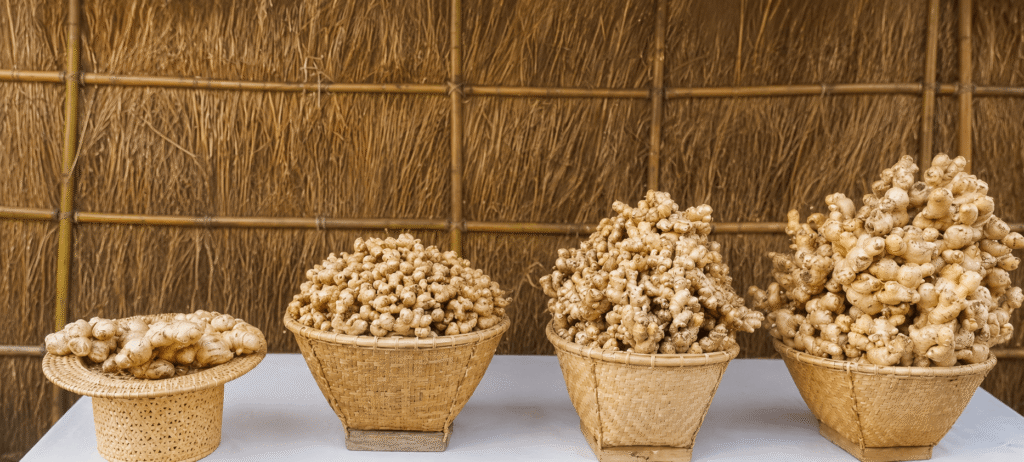
Assam’s Karbi Anglong district, a land of low plains, rugged hills, and elevated plateaus, has long captivated visitors with its scenic beauty, vibrant indigenous culture, warm hospitality. The Karbi Youth Festival, held annually from 15–19 February, is one of Northeast India’s oldest cultural celebrations.
Earlier this year, Karbi Anglong added another feather to its appeal with a Ginger Festival and Buyer-Seller Meet in Diphu. Hanso, the local Karbi name for Assam’s GI-tagged ginger, is deeply woven into the district’s identity and livelihoods. Its growing reputation received a major boost in March this year when the first consignment of ginger grown by local farmers was exported to London, strengthening Assam’s footprint in the global spice market.
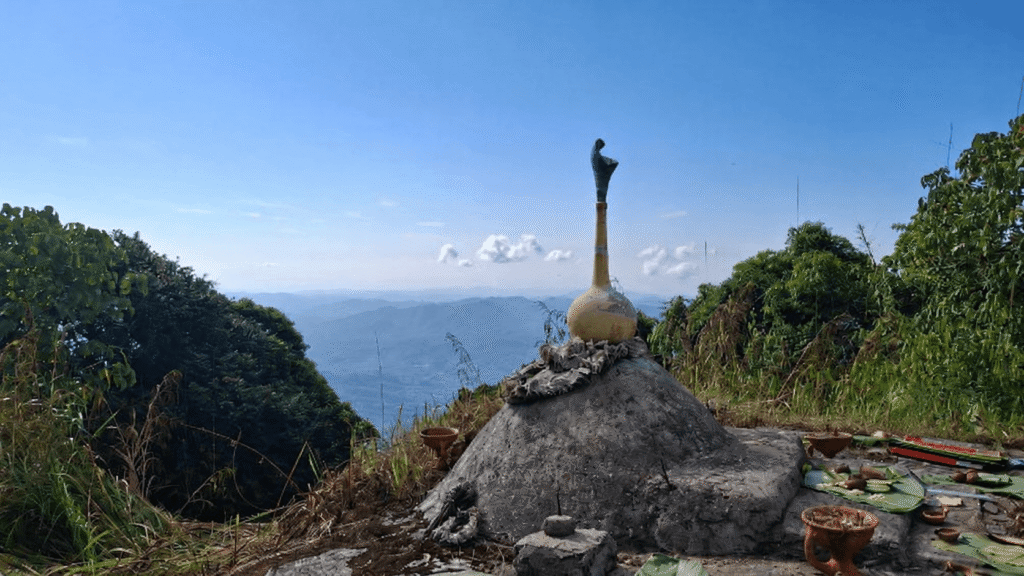
Much of this ginger grows around the majestic Khonbamon (Singhason Hills), the district’s highest peak at 1,360 metres. The dramatic landscape of the Karbi Hills has long beckoned adventure seekers, birdwatchers, and lovers of the pristine. Beginning at Longnit village, a short drive from Diphu, the route crosses the Longkit River before climbing to sweeping vistas of the Brahmaputra Valley and distant Himalayan foothills. Upon reaching the top, trekkers join local custodians of tradition in performing the Horbong ritual, paying homage to the Mountain God and seeking blessings for a safe trip. It is the first introduction to an enduring expression of Karbi faith and heritage.
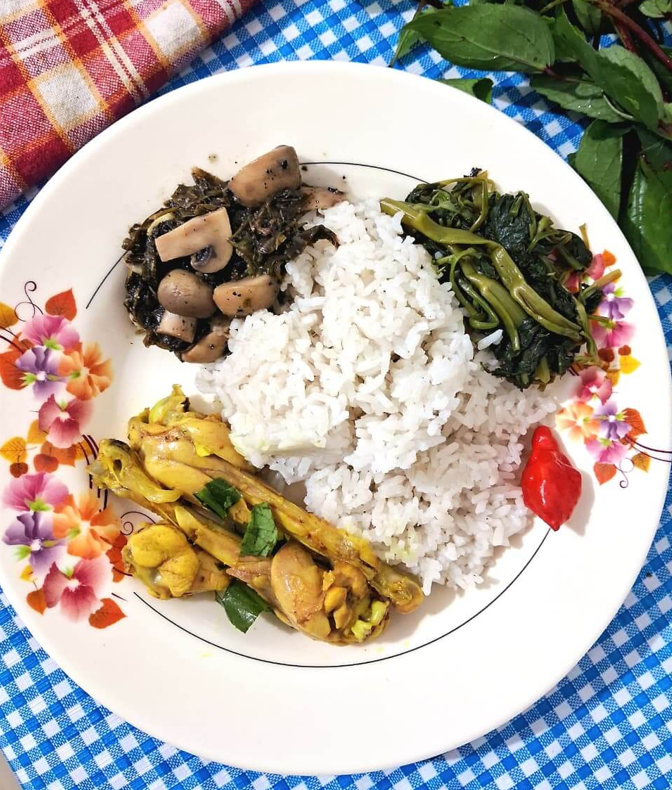
The Ginger Festival provided a fascinating introduction to Karbi gastronomy, showcasing ginger’s place of pride in both kitchens and culture. Visitors savoured Phak Ok Ahan– a rich pork curry prepared with ginger, garlic, and black sesame, and Vo’ok Ki’up– a wholesome chicken dish infused with ginger, turmeric, and aromatic herbs. Equally memorable was Ok Kimun- marinated meat cooked inside bamboo tubes over an open fire, creating a distinctive smoky flavour. Beyond these delicacies, ginger finds expression in chutneys, pickles, candies, ginger wine, and even the region’s refreshing red tea. Watching these foods being prepared in village homes transforms a meal into a deeper cultural experience, linking food with farming, heritage, and community life.
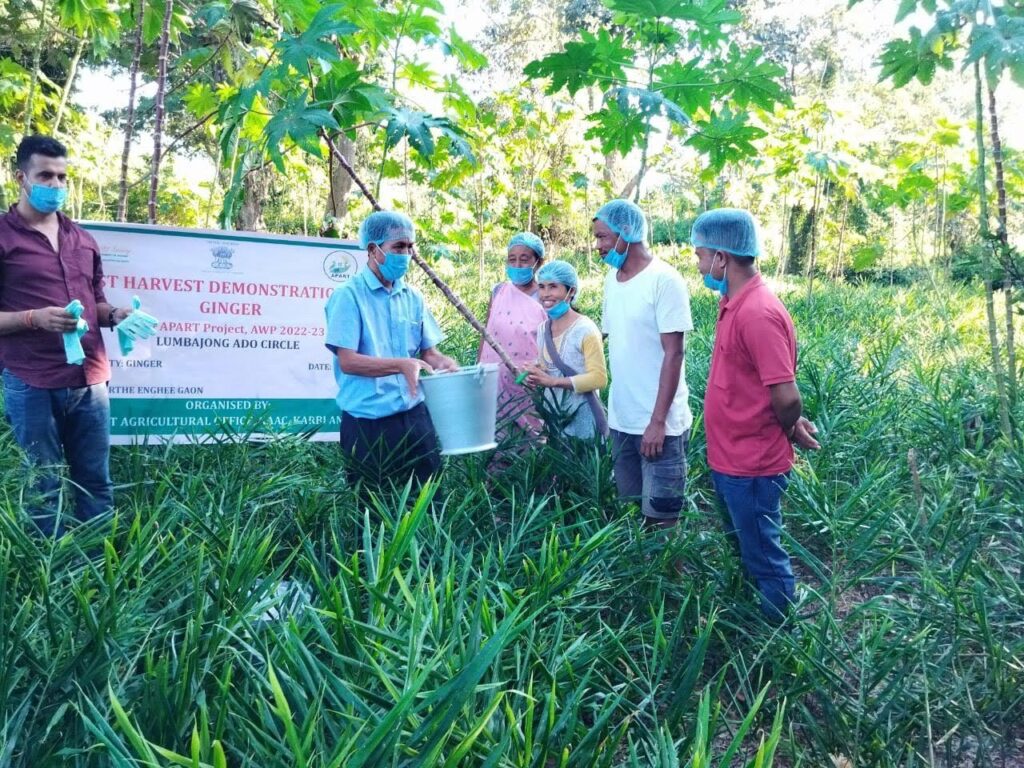
Following the success of its inaugural edition, preparations are underway for Ginger Festival 2.0, proposed to be held annually on the 27th and 28th of November. Timed just before the internationally acclaimed Hornbill Festival, the event offers travellers a compelling Northeast circuit – from the wildlife-rich landscapes of Kaziranga National Park and the serenity of Ashoka Buddha Vihar to Diphu’s agricultural heritage and community spirit, before culminating in the vibrant festivities at Kisama, Nagaland. Blending wildlife, spirituality, culture, agriculture, gastronomy, waterfalls, and community-based tourism, the journey showcases the many faces of Northeast India.
Among the Karbi people, every journey into the unknown traditionally begins with a small piece of ginger carried for protection, healing, and good fortune. More than a prized crop, it embodies the spirit, wisdom, and enduring bond of the Karbi people with their land. Perhaps, as travellers continue their journey beyond Karbi Anglong, they will carry home more than memories of its hills, culture, and hospitality. They may also carry a timeless lesson cherished by generations of Karbis; that every meaningful journey begins with a humble piece of ginger, a great deal of faith, and stories worth carrying home.