
Every fluttering butterfly is a silent messenger of a healthy ecosystem, and in Assam that story unfolds with extraordinary richness. Situated at the confluence of the Eastern Himalaya and Indo Burma biodiversity hotspots, the state harbours more than 600 butterfly species, a remarkable proportion of India’s approximately 1,500 species, with new discoveries continuing to emerge.
This extraordinary diversity makes Assam a paradise for lepidopterists and nature enthusiasts alike, offering majestic Swallowtails, colourful Brush-footed Butterflies, delicate Gossamer-winged Butterflies, Whites and Yellows, swift Skippers and jewel-like Metalmarks. Together, these six families make Assam one of South Asia’s richest butterfly landscapes. Beyond their beauty, butterflies are vital pollinators and sensitive indicators of ecosystem health, as many depend on specific native host plants.
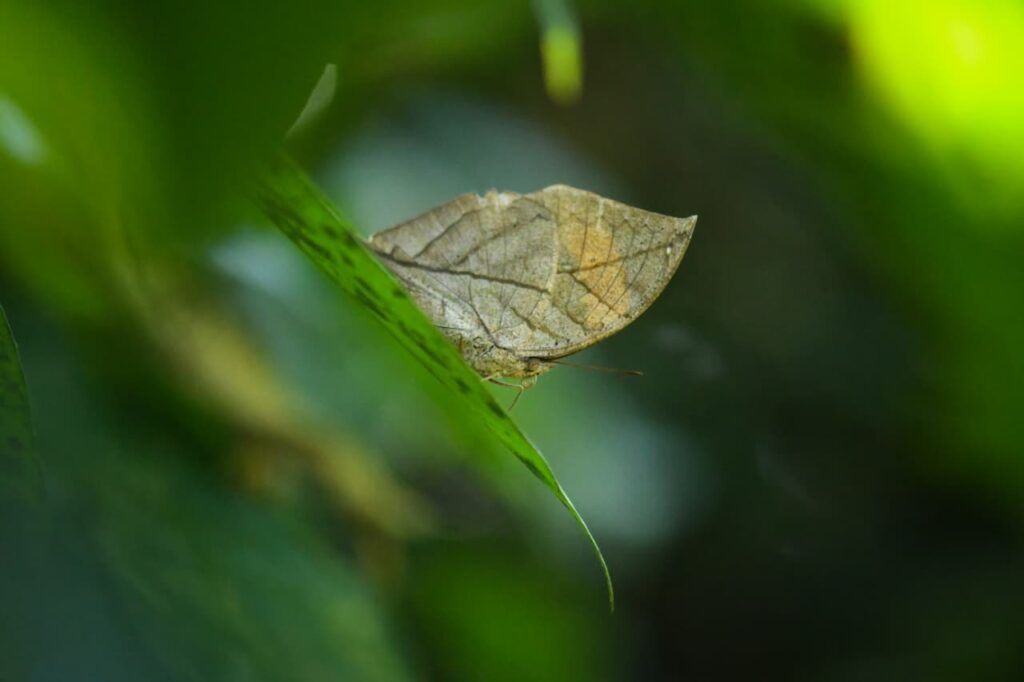
From the floodplains and wetlands of the Brahmaputra Valley to the rainforests of Dehing Patkai, the grasslands of Kaziranga and the forests of Manas, Raimona, Sikhna Jwhlao, Ultapani, Hollongapar Gibbon WS, Dullung and Garbhanga, butterflies thrive across Assam’s extraordinary range of habitats. Beyond these protected areas, the picturesque river port of Silghat, nestled on the southern bank of the Brahmaputra amid wetlands and lush greenery, with sweeping views of the Eastern Himalaya on clear days, provides an ideal habitat for the Orange Oakleaf, widely regarded as India’s national butterfly, the majestic Great Mormon and a rich diversity of other butterfly species.
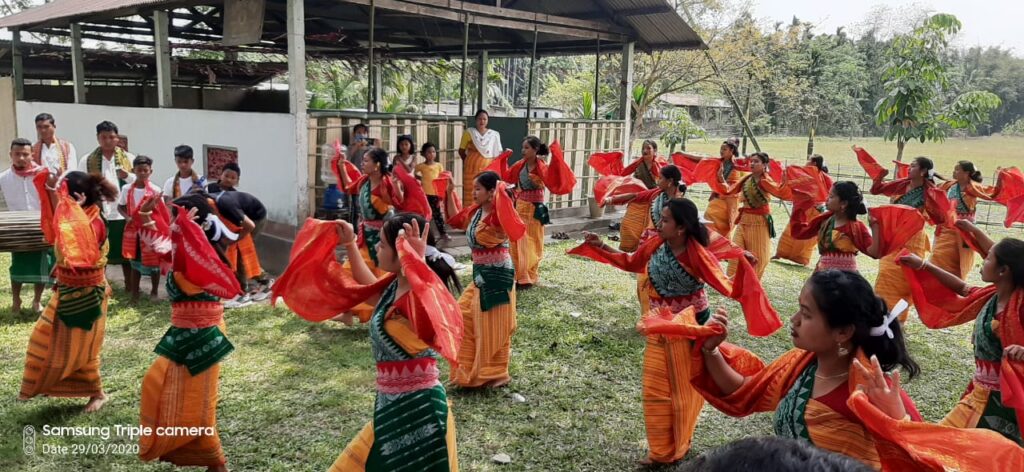
Butterflies also flutter through Assam’s cultural heritage. The graceful Bagurumba dance of the Bodo community echoes their gentle flight amid flowing rivers and swaying trees. Equally captivating are the waterfalls of Dima Hasao and Karbi Anglong, where dense congregations of butterflies gather on mineral-rich mud banks below the cascades. Known locally as plipli, butterflies are so cherished in Karbi culture that their delicate wing motifs are woven into traditional handlooms.
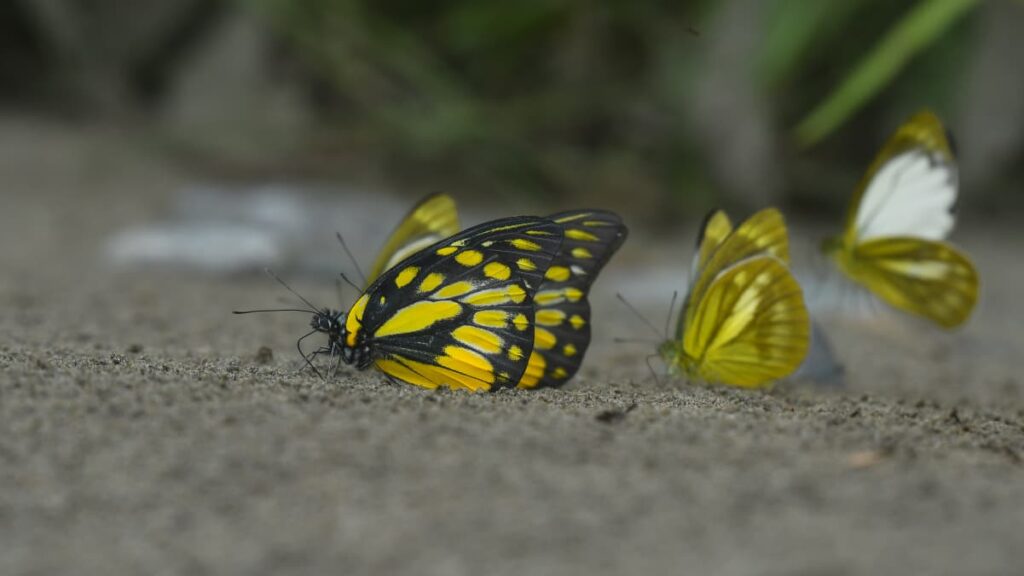
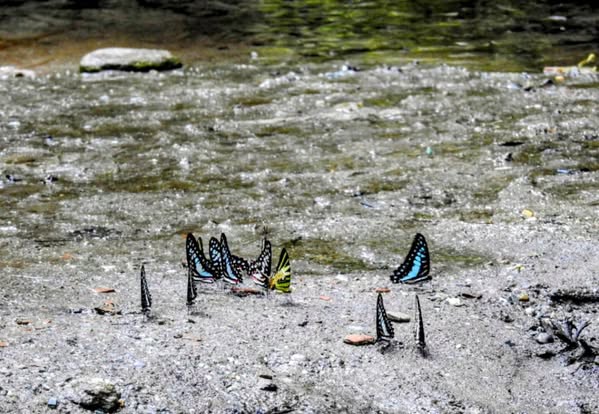
Mud-puddling is a fascinating natural spectacle in which colourful gatherings of butterflies assemble on damp soil and riverbanks to absorb essential salts and minerals unavailable in nectar. This behaviour is believed to enhance reproductive success by transferring vital nutrients during mating. As urban green spaces continue to shrink, butterfly populations face increasing pressure. Well maintained parks and butterfly gardens in schools, colleges, communities and homes can help reverse this trend by creating vital urban refugia while promoting biodiversity, environmental education and public participation in butterfly monitoring.
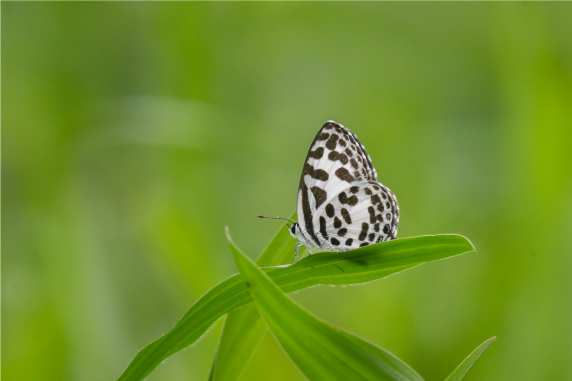
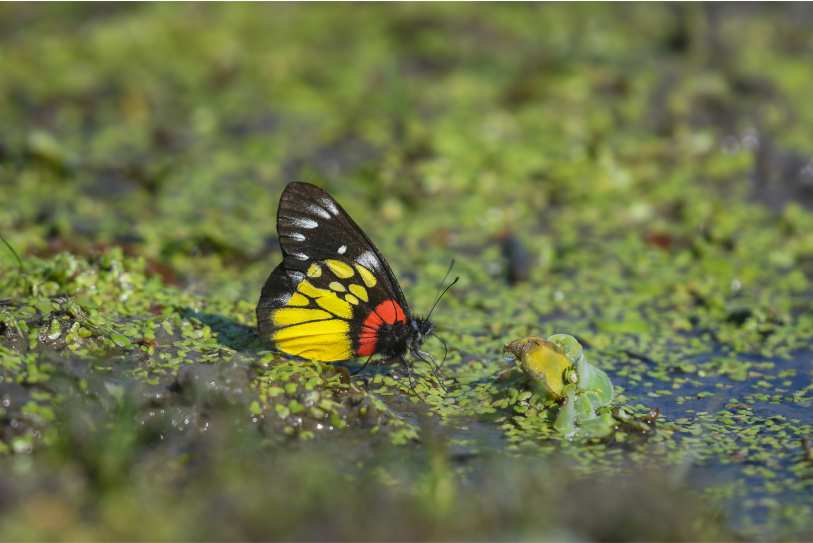
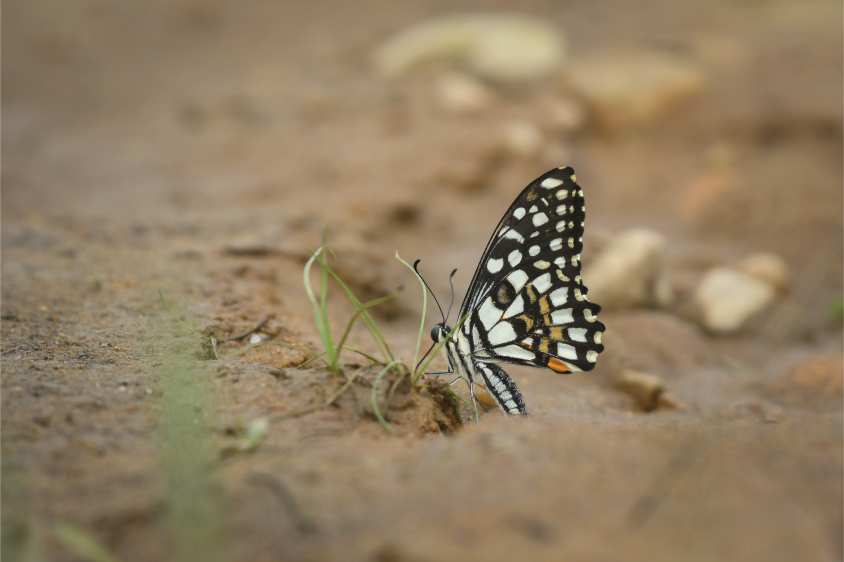
Assam’s butterfly diversity offers immense potential for sustainable tourism, with peak experiences during the pre-monsoon to post monsoon, complemented by the state’s diverse natural and cultural attractions that make it a year round destination. Annual Butterfly Festivals across selected butterfly rich landscapes during Big Butterfly Month in September could feature guided walks, photography workshops, exhibitions, expert talks and citizen science initiatives. Conducted under ethical wildlife observation guidelines, these festivals could promote biodiversity awareness while supporting village homestays, local guides, handicrafts, traditional cuisine and other community based enterprises. With support from universities and entomologists, expanded training for local butterfly guides would further enrich visitor experiences while strengthening conservation and rural livelihoods. After all, the smallest wings can inspire the greatest journeys.