
Assam’s celebrated wildlife, rivers and sacred places tell only part of its tourism story. Woven into this landscape is a remarkable artistic heritage, shaped by centuries of faith, imagination and creativity, expressed through sculpture, architecture and traditional crafts. From the sixth century Gupta style doorway at Da Parbatia and the evocative ruins of Madan Kamdev to the rock cut reliefs of Suryapahar, the temple art of Deopahar and Assam’s rich traditions of terracotta and craft, the state offers rich possibilities for heritage tourism. At the heart of this legacy stands Kamakhya Temple on Nilachal Hill, its exquisite stone carvings and reliefs reflecting centuries of devotion and artistic expression.
For cultural travellers, art enthusiasts and pilgrims, the journey could begin at Basistha Ashram, on Guwahati’s southern side. Nestled in the Sandhyachal hills beside the Garbhanga Reserve Forest, the 18th century Basistha Temple, built by Ahom King Swargadeo Rajeswar Singha on an earlier stone temple, is associated with the Vedic sage Vashistha and stands beside three sacred hill streams, Sandhya, Lalita and Kanta, creating a setting where spirituality, history and nature converge.
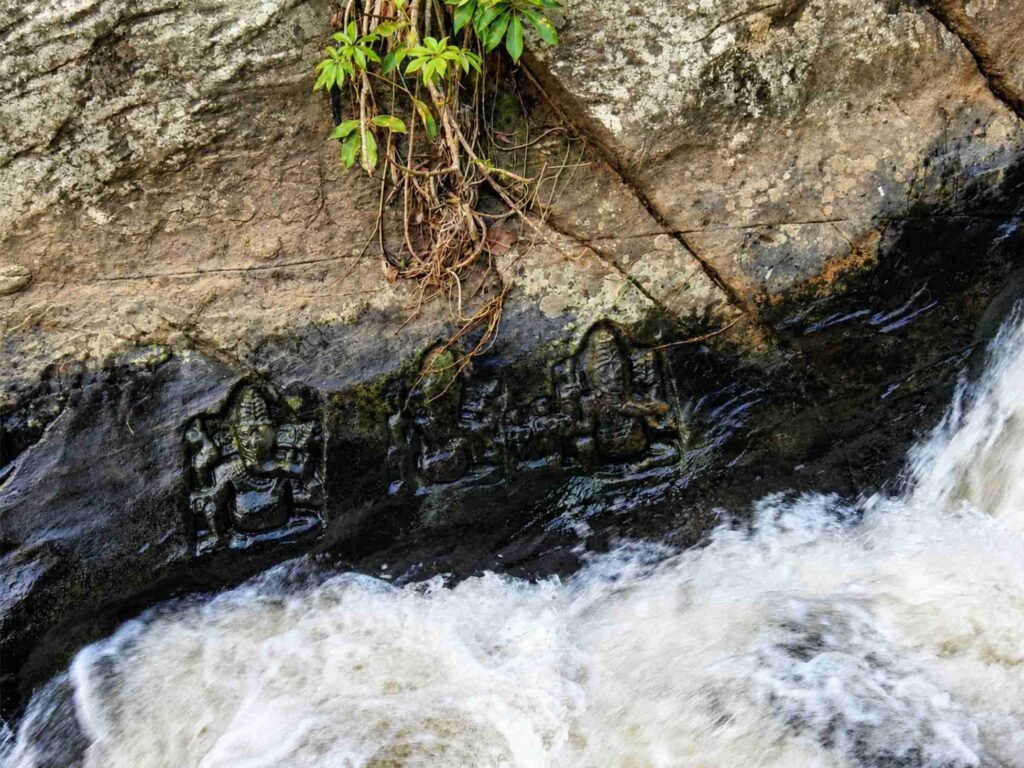
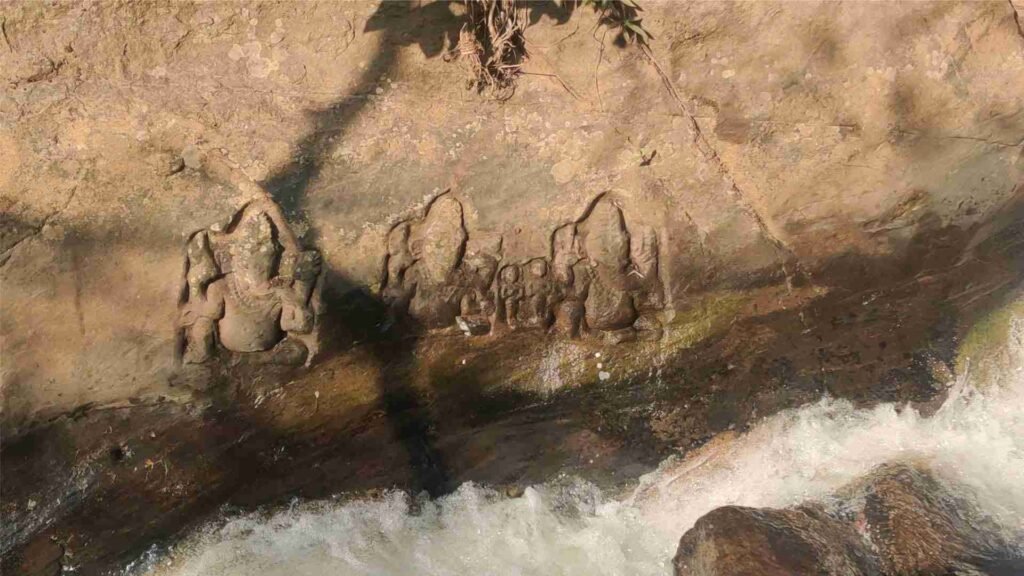
Where the sacred streams meet, three Ganesha figures carved directly into the living rock lie beneath the modern concrete bridge, silent witnesses to centuries of faith, flowing water and craftsmanship. Weathered by time, the elements and generations of pilgrims, these remarkable carvings often go unnoticed as visitors enjoy the gentle flow of the sacred stream beside them. Arranged in a striking triptych, with a central figure flanked by two companion images, they invite a closer look at their distinctive forms and details. Here, a temple visit becomes more than a spiritual experience; it opens a window into Assam’s understated artistic heritage.
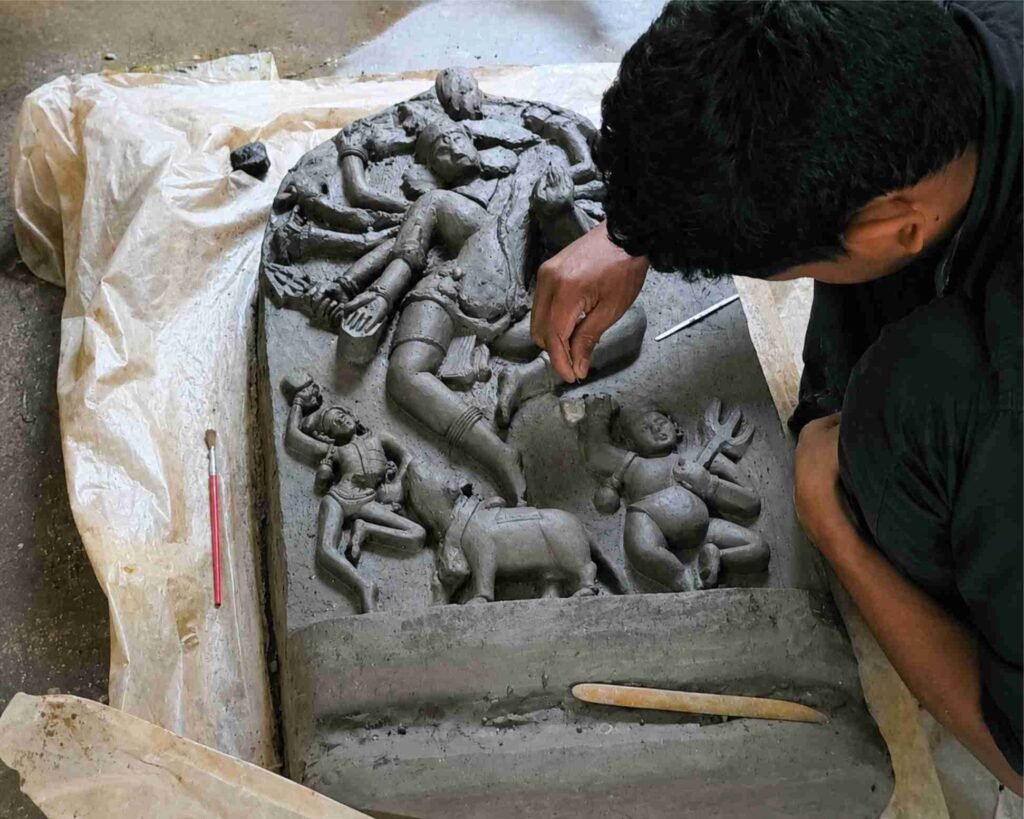
For creative minded travellers, the exploration can continue just a short walk away at the Government College of Art and Crafts, Assam, where studio practice, art history and contemporary thought nurture a new generation of artists. The campus has the potential to evolve into a vibrant cultural attraction, almost a living museum, with an open air sculpture garden, gallery, live demonstrations and hands on workshops. Visitors could interact with students and artists, discover Assam’s artistic traditions, create something with their own hands and take home a meaningful souvenir. Such experiences could connect artists and sculptors with new markets and long term commercial partnerships, while community run guesthouses and homestays could encourage longer stays, repeat visits and greater local participation.
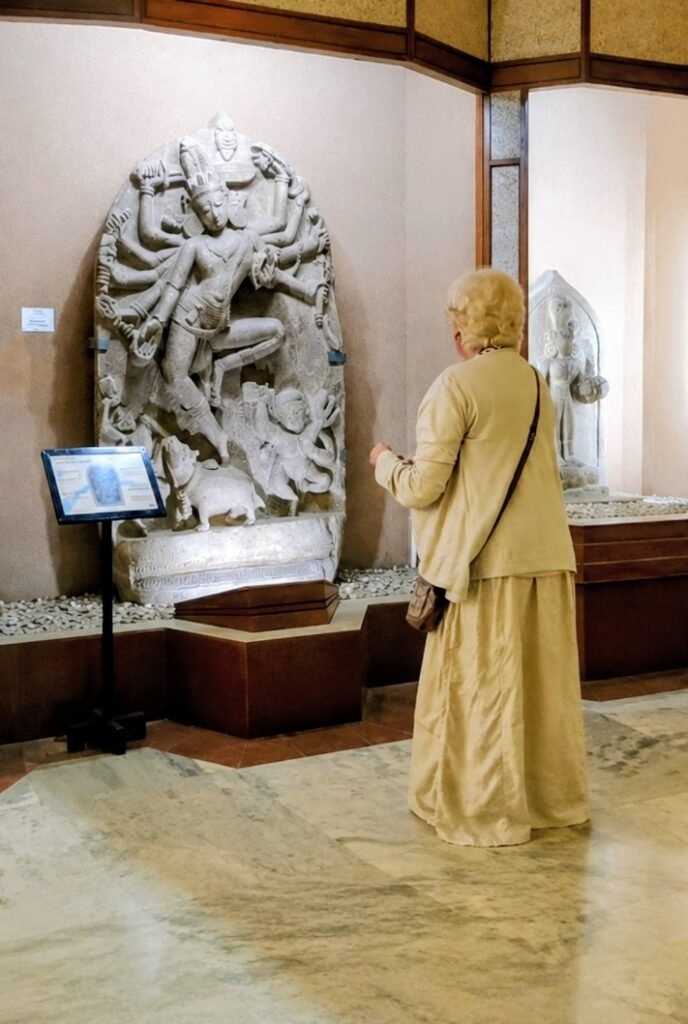
The Assam State Museum at Ambari, with its collection of sculptures and more than 12,000 antiquities, completes the journey by tracing Assam’s artistic and cultural evolution. Placing the College of Art and Crafts before the museum visit creates a bridge between the living and the historic: art colleges show the ‘now’, while museums show the ‘then’. A proposed trail from the three Ganeshas at Basistha to the College of Art and Crafts and the Assam State Museum could connect Assam’s ancient heritage with its living creative traditions. With local guides and storytellers bringing these places to life, travellers could be inspired to explore, return and share Assam’s lesser known artistic heritage with new audiences.