
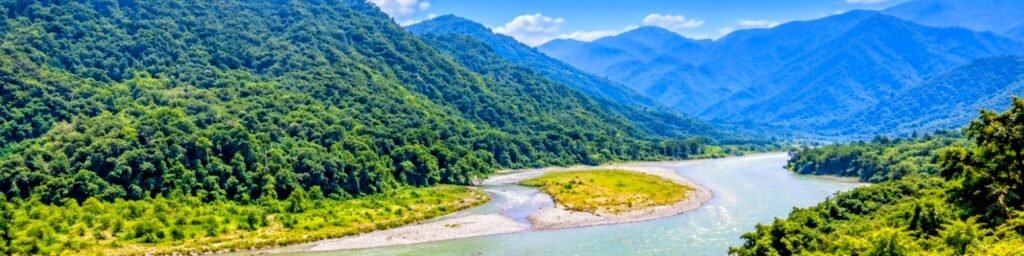
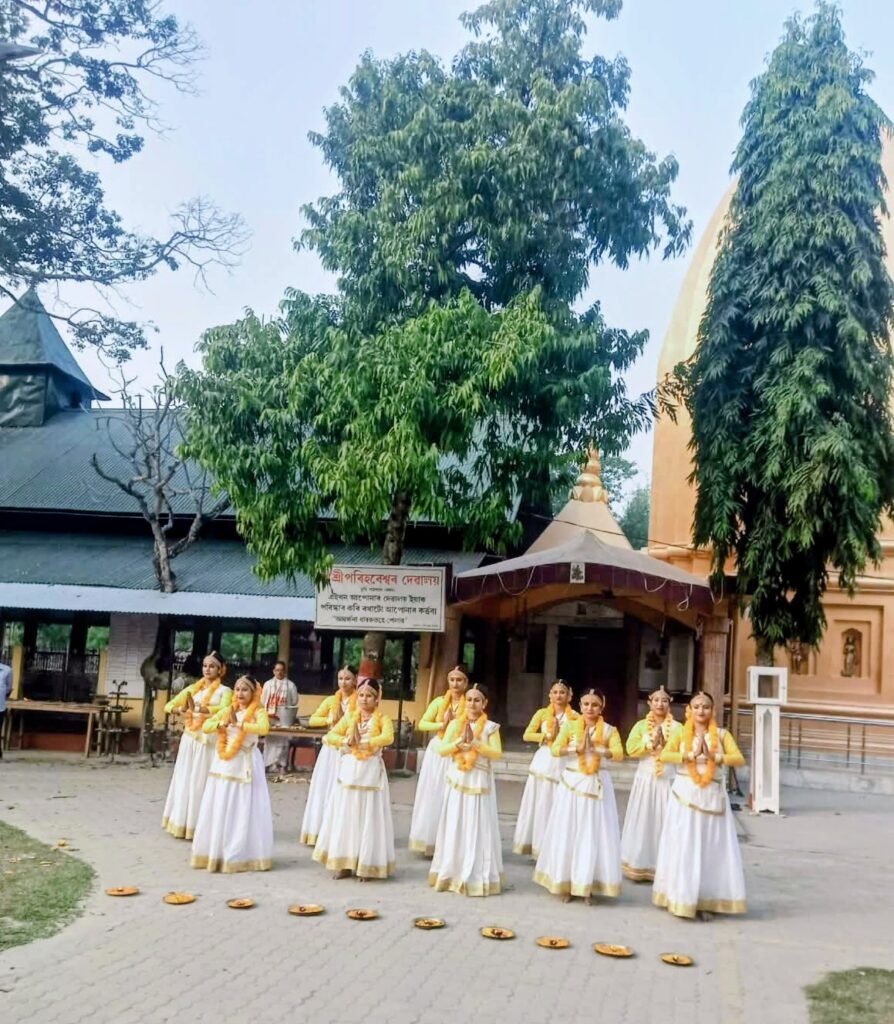
A scenic 110-kilometre drive from Guwahati brings travellers to Sri Sri Parihareshwar Devalaya at Dubi, in Assam’s Bajali district, near Pathsala. Believed to date to the fourth or fifth century CE, this revered shrine is associated with a self-manifested Shiva Lingam and Ahom royal patronage. Copper-plate grants, sacred ponds, a fragrant keteki garden, distinctive Durga Puja and Magh Bihu traditions, and memories of Assam’s Devadasi dance heritage enrich its cultural significance. Authentic Assamese cuisine and warm hospitality add to the experience, while the magnificent Jalikhata banyan tree, believed to be over 200 years old, offers another fascinating stop.
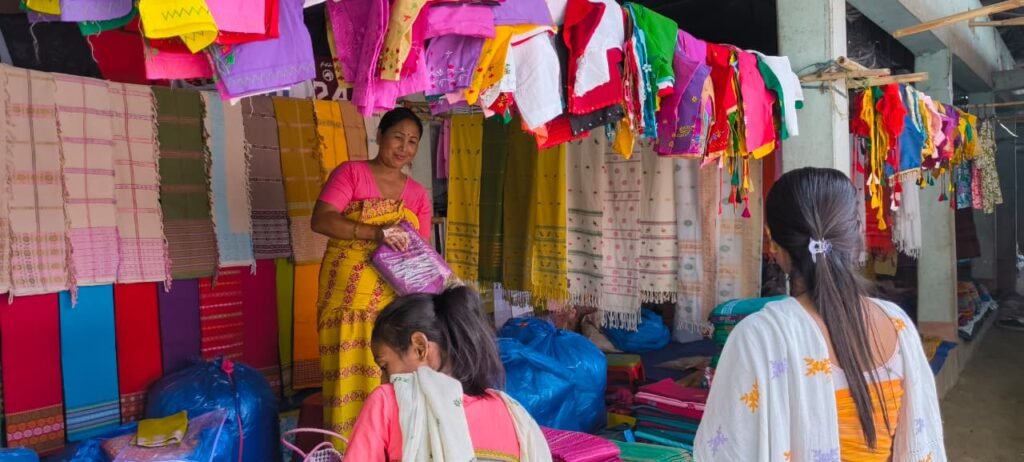
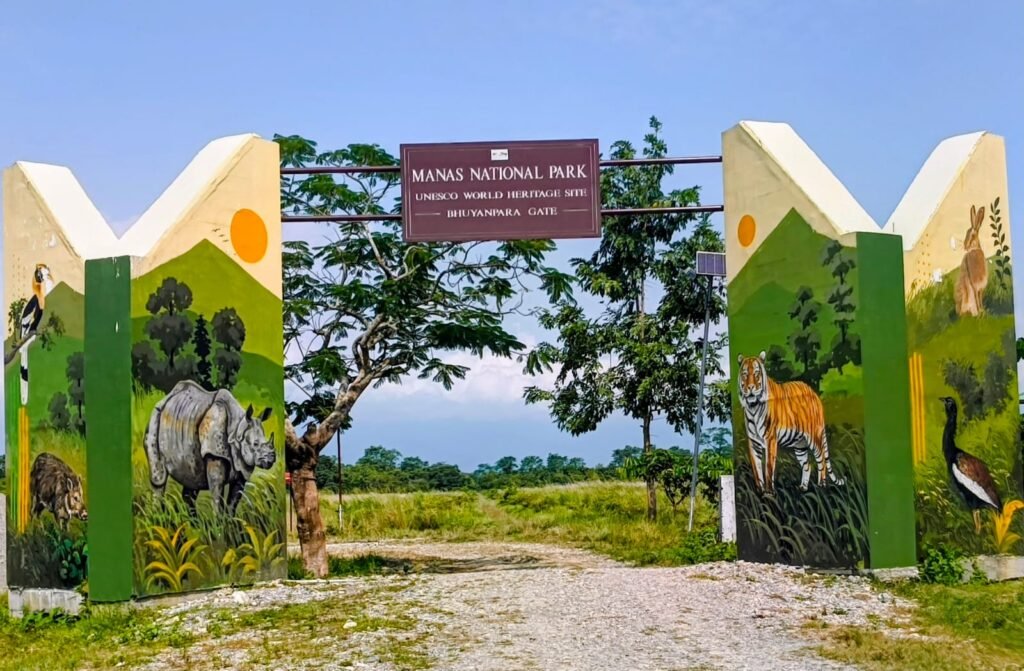
Continuing through Baksa district in Bodoland towards eastern Manas National Park reveals rural Assam’s charm. On Friday mornings, Lawkhibazar’s weekly market offers a glimpse of countryside life, with local produce, seasonal trade and fresh Bhutanese oranges in winter. About 20 kilometres further, Manas’s Bhuyanpara Range offers Gypsy safaris through villages to the forest gate, attracting wildlife enthusiasts and birdwatchers seeking experiences away from busier routes (closed on Thursdays). The Manas Maozigendri Ecotourism Society can assist with accommodation and safari arrangements.
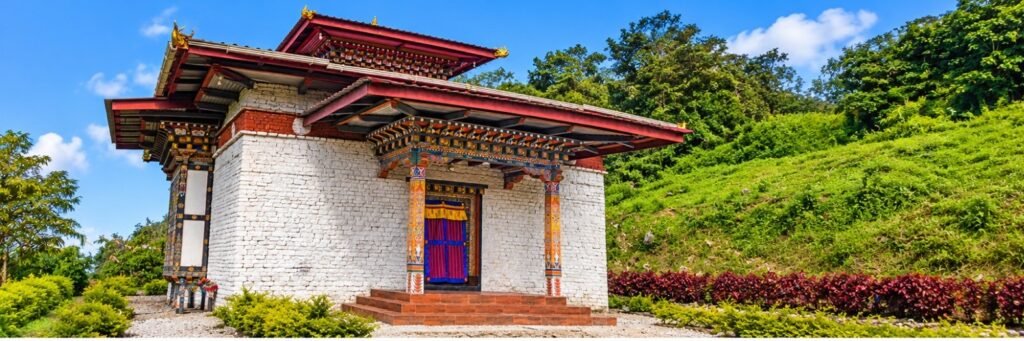
Across the Bhutan border, Nganglam in Pema Gatshel district unveils a lesser-explored Himalayan landscape. Spiritual landmarks include the Wish-fulfilling Stupa, Samdrup Choeling Jarung Khashor Chorten, Druk Migyur Dechen Dzong, Yongla Goenpa, Dungkhar Goenpa and Nyingshing Borang Lhakhang. Nature lovers can explore Yurung Tsho, the Lotus Valley Eco-Trail at Nimdrosa and the eight-kilometre Nyingshingborang Eco-Trail. Birdwatching is equally rewarding, with 91 species recorded at Norbugang Eco-Trail, 57 at Lotus Valley Eco-Trail and 24 at the Gongri-Bali Eco-lodge campsite, though sightings vary seasonally. At Zala Ku, also known as Memey Zala Ku, local tradition links a sacred statue to Hanuman and the Flying Statue of Triew Jangchub Sempa, believed to have miraculously travelled from Kamakhya in Guwahati. Associated with cleansing negative karma, overcoming obstacles and blessing couples seeking children, the site reflects a fascinating spiritual connection between Assam and Bhutan.
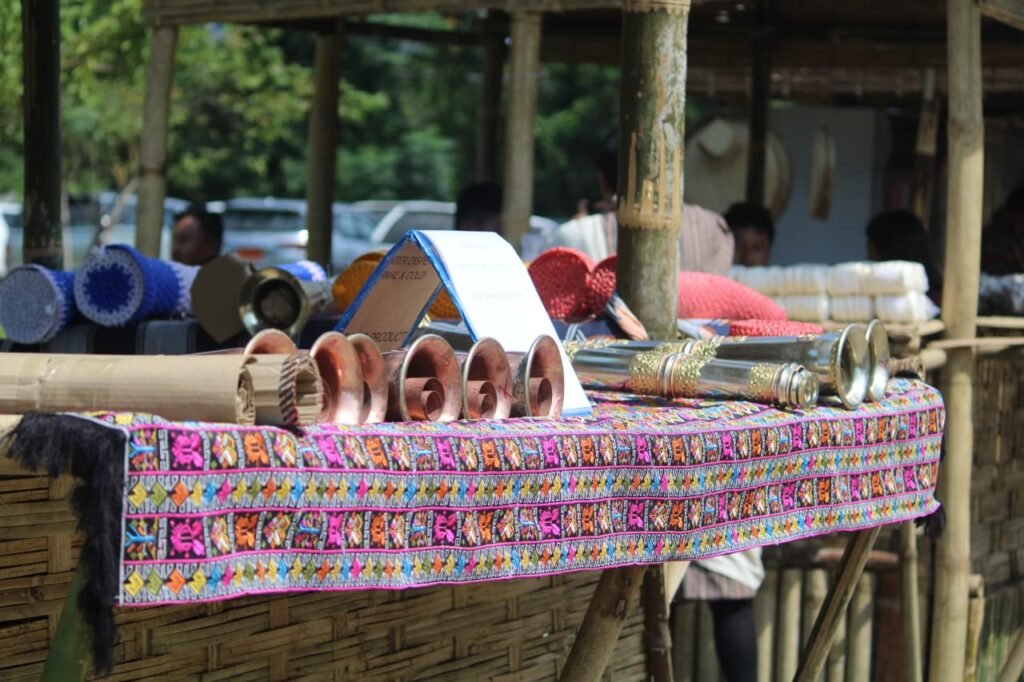
Culture takes centre stage at the Pema Gatshel Dzongkhag Tshechu in Denchi, reportedly scheduled for 20–22 October 2026, according to the traditional Bhutanese lunar calendar. Sacred mask dances (Cham), deep dungchen trumpet calls, melodious jaling music and handwoven textiles showcase Bhutan’s living traditions.
The Bathing Carnival Bhutan (BCB), scheduled for 6–8 November 2026 at Telung Lotus Campsite along the Gongri River, is about an hour’s drive from Nganglam. Blending spirituality, nature and adventure, it features waterfall meditation, monastery visits, rafting, fly-fishing, golden mahseer catch and release, floating dinners and live music. From 2027, it is planned as an annual event from 1–3 November.
From Bajali’s sacred heritage and Bodoland’s rural charm to Manas’s wilderness and southeastern Bhutan’s pristine landscapes, vibrant festivals and living traditions, the region offers an unforgettable cross-border tourism experience.
Travel Note: Indian visitors need an original Voter ID card or passport; children require original birth certificates. Stays under 24 hours in designated Bhutanese border towns may qualify for SDF exemption, subject to conditions and permitted-zone restrictions. Longer stays incur an SDF of Rs. 1,200 per person per night and a green fee of Rs. 4,500 per day for Indian-registered personal vehicles and motorcycles. Arrange permits well in advance through the official portal or a registered tour operator. Parking Indian vehicles at Nganglam with prior permission and hiring local transport and guide may be more economical.