
Travellers arriving in Guwahati visit the revered Kamakhya Temple, explore Assam’s textile traditions at Sualkuchi and Chhaygaon, enjoy birdwatching at Garbhanga Reserve Forest, or discover its museums and leisure experiences before moving onwards. Beyond conventional tourist routes, an offbeat archaeological trail reveals another side of Assam through ancient rock carvings, forgotten temple ruins and a village pond that once concealed a temple, inviting visitors to ponder its forgotten stories. Weathered by centuries, these lesser-known heritage sites remain worth discovering.
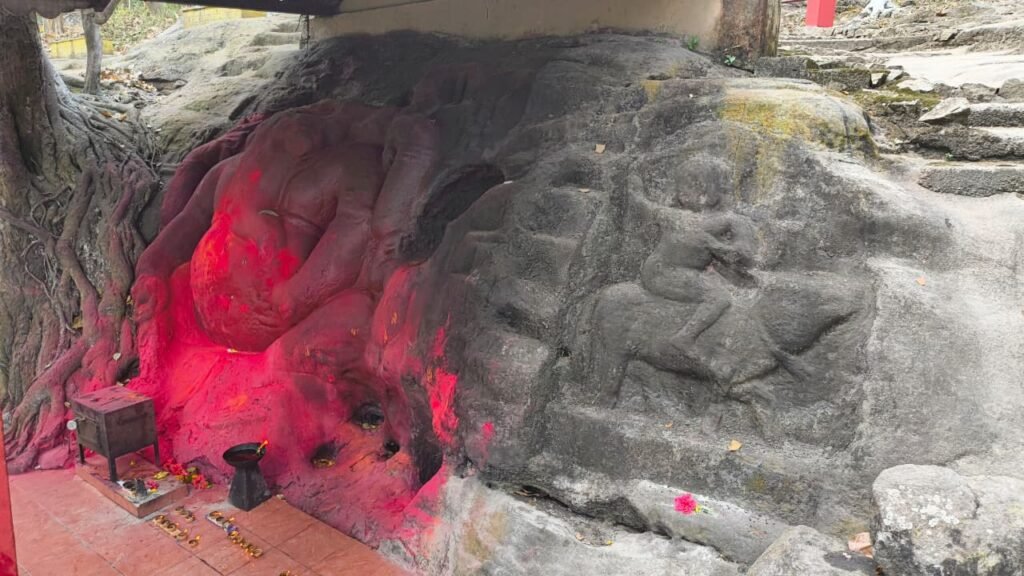
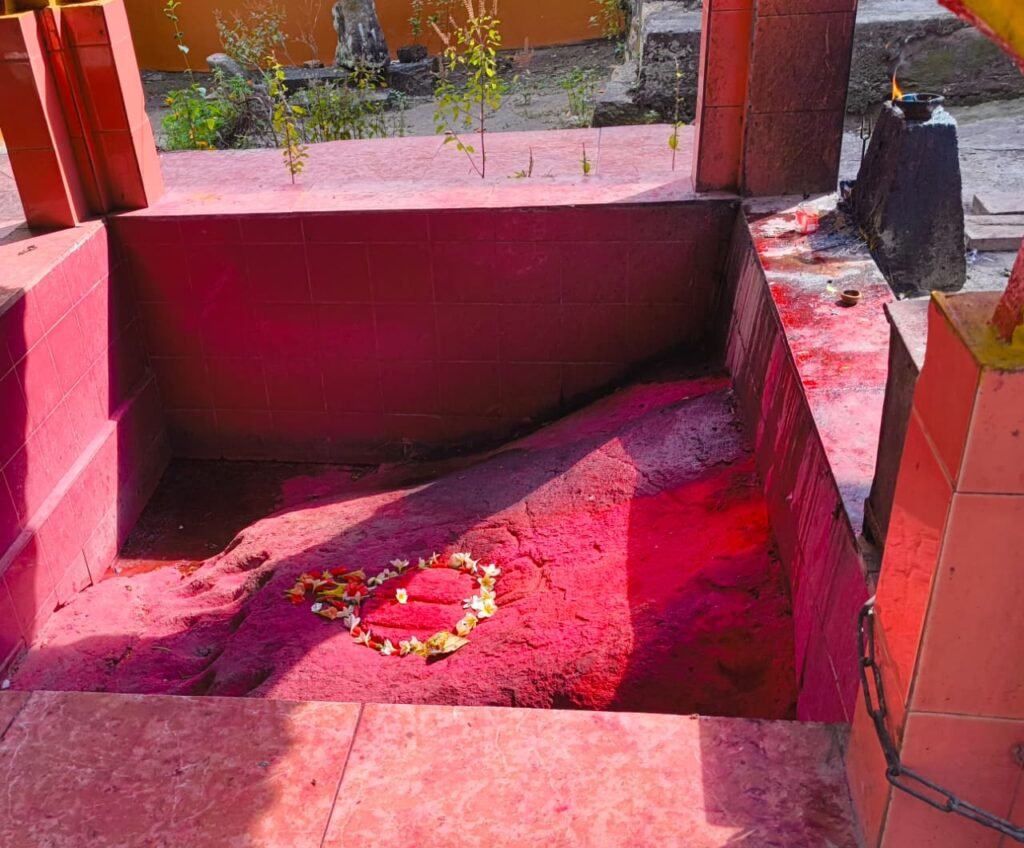
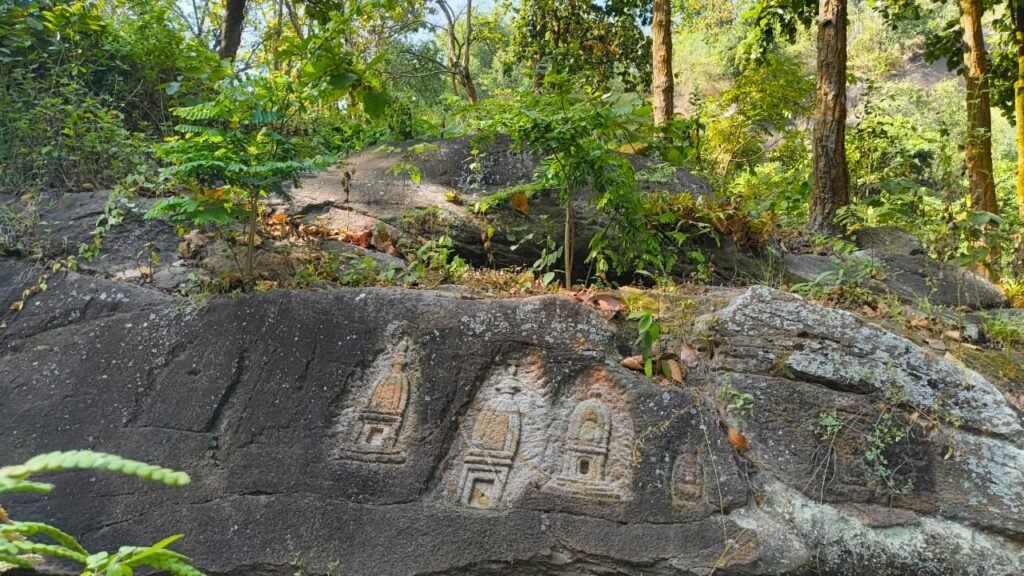
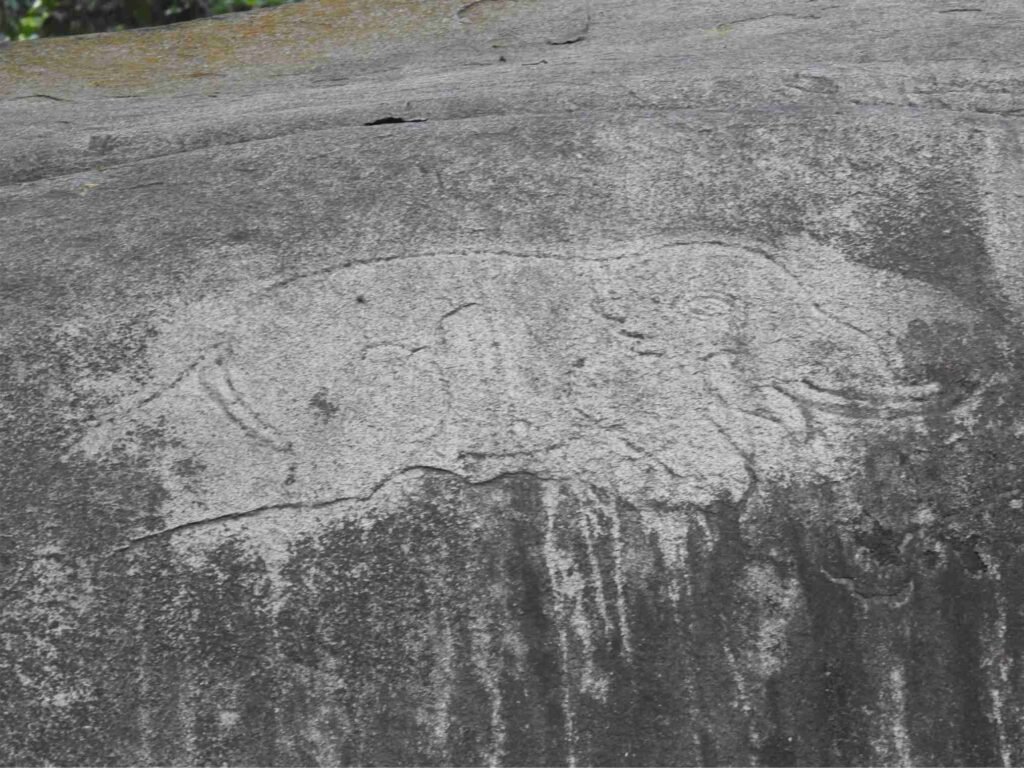
The first heritage stop is Dirgheswari Temple Archaeological Site, approximately 20 km from Guwahati via the new Kumar Bhaskar Varma Setu. Dirgheswari Devalaya on Sitachal Hill is revered as an essential complement to Kamakhya Temple on Nilachal Hill. While the present temple is generally associated with Ahom King Swargadeo Siva Singha (1714–1744 CE), its sculptures and engravings reflect an older artistic heritage, some dating to the 10th–12th centuries CE. The hillside features Ganesha, Hanuman, a figure believed to depict Yama riding a buffalo, a six-armed female deity, miniature rock-cut temples and two remarkable tusked elephant engravings, among other features.
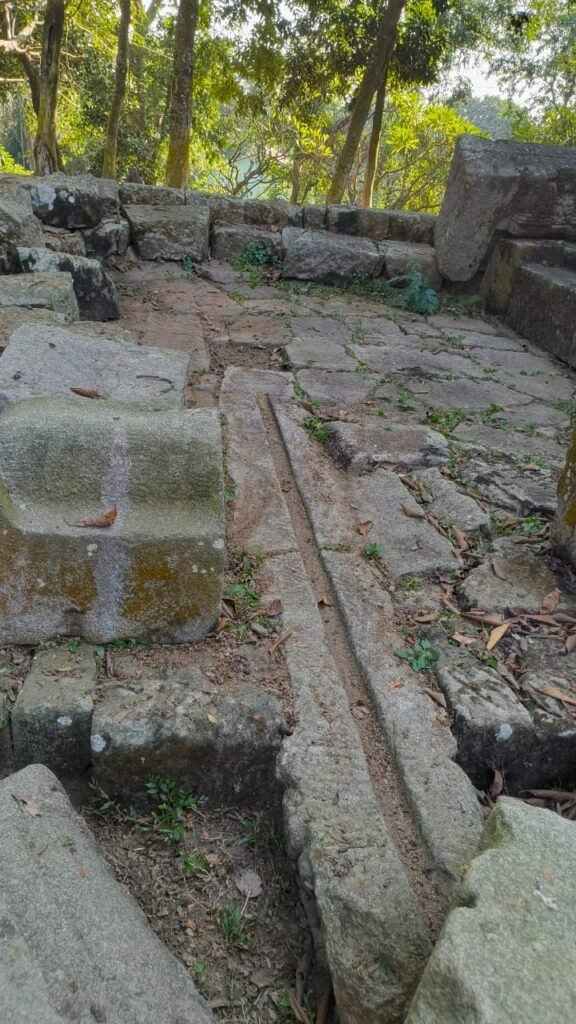
Dirgheswari celebrates the annual Madan Chaturdashi festival in Chaitra (April), commemorating the divine marriage of Goddess Dirgheswari (Durga) and Lord Shiva. The Goddess’s decorated palanquin travels through North Guwahati, halting at Aswaklanta Devalaya for a ceremonial bath with Bishnupad water before reaching Manikarneswar Devalaya for the wedding rituals. The procession returns the Goddess to Sitachal Hill, celebrating the shrine’s cultural and spiritual heritage.
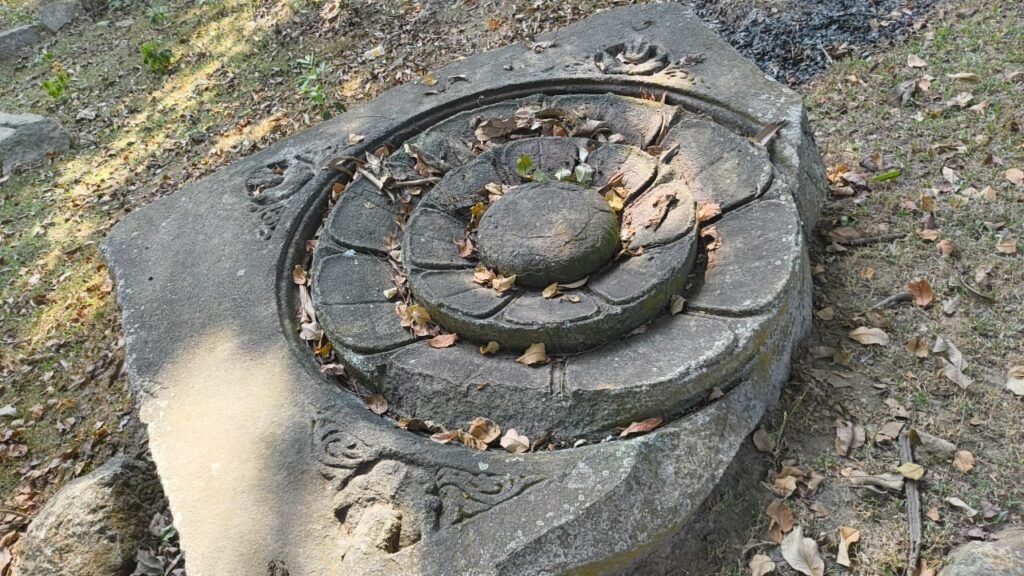
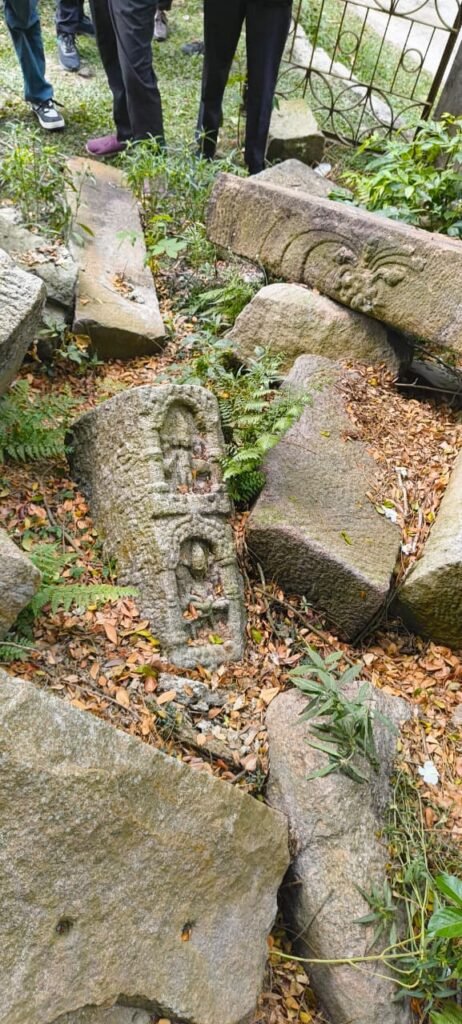
Approximately 10 km further, Baman Archaeological Site at Bajana Pathar in Darrang district accessible via Teklia Kur Grant features the remains of a stone temple stylistically datable to the 10th–11th centuries CE. Though its superstructure has disappeared, the square sanctum foundation and a pranala remain visible, offering glimpses of its original architectural features. Amongst scattered stone blocks displaying carvings of flowers, creepers, birds, animals and Kinnaras, a beautifully carved blossoming lotus slab is particularly striking. A tusked elephant engraving at Baman, similar to those at Dirgheswari, further connects the two sites through their shared early medieval artistic heritage.
An approximately 35 km journey to Jaljali Pukhuri via Dumunichowki–Kuruwa Road, NH-15 and historic Mackenzie Road adds another dimension. Built around 1860 under British engineer Mackenzie, it is regarded as undivided Darrang’s oldest PWD road, connecting Rangamati Ghat with the northern tea gardens.
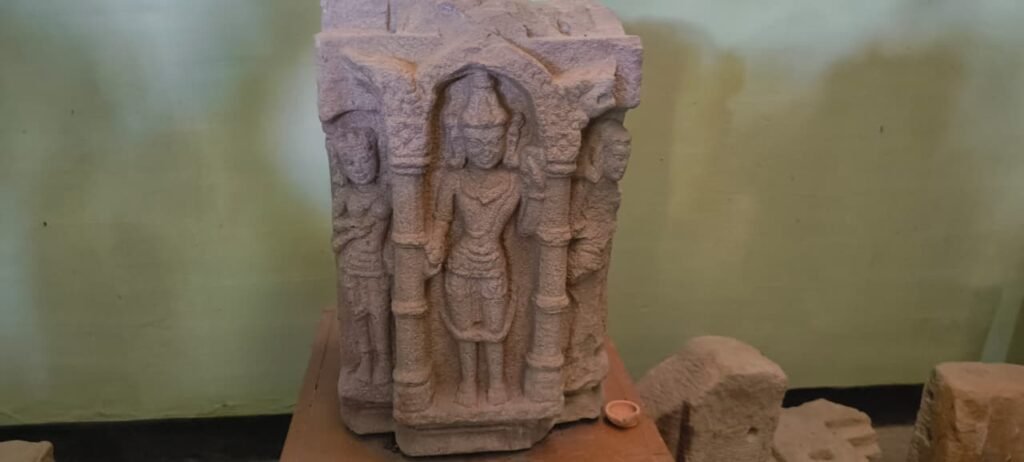
Jaljali, steeped in stories and lores, appears to be an ordinary village pond, but its waters once concealed an early medieval stone temple. During deepening under a rural water conservation initiative, workers reportedly unearthed dressed stones and architectural fragments. The Directorate of Archaeology, Assam, dates these remains to the 10th–11th centuries CE. Recovered artefacts are preserved at the Jaljali Archaeological Site Museum and around the pond, making it an unexpected archive of a forgotten sacred landscape.
From hilltop engravings and temple ruins to a pond concealing centuries of history, this trail reveals a fascinating side of Assam. Travellers can continue towards Tezpur and Nameri National Park via NH-15, where archaeology gives way to the scenic Brahmaputra valley and the wilderness of the Eastern Himalayan foothills.