
Beyond its mystical associations with Tantra, Shakti worship and indigenous spiritual traditions, Assam quietly preserves one of India’s most fascinating yet lesser-known Buddhist landscapes. While the region’s ancient Mahayana legacy now survives through scattered ruins, legends and archaeological remains, Buddhism continues to thrive in its living Theravada form among communities such as the Tai Phake, Aiton, Khamyang, Turung, Khamti, Singpho, Chakma and Chittagong Baruas. Many of these groups migrated from Southeast Asia through historic cultural exchanges and today remain devoted custodians of rare monasteries, rituals, oral traditions and identities that connect Assam with the wider Buddhist world of the Himalayas and mainland Southeast Asia.
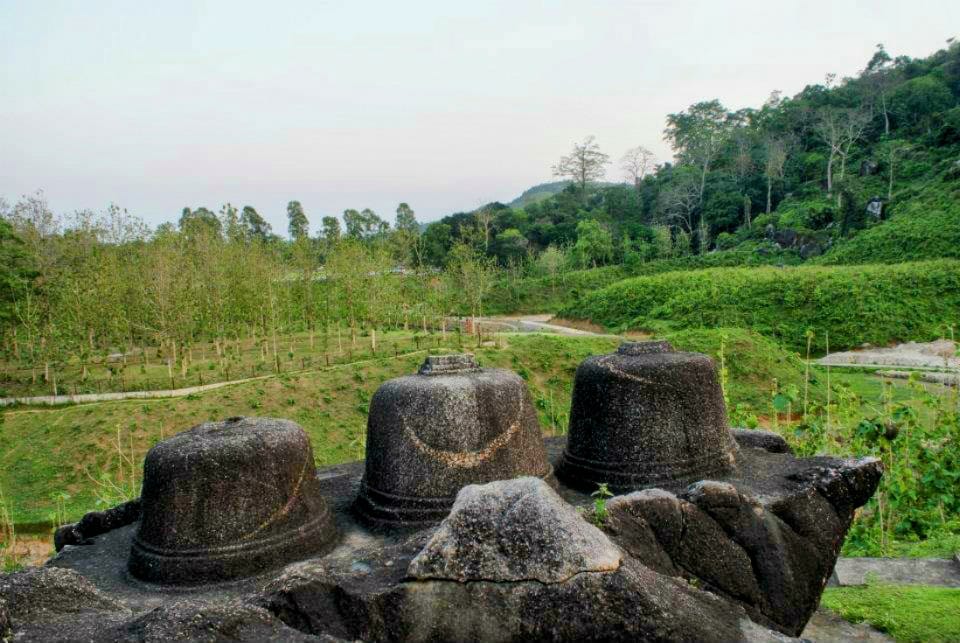
Among Assam’s most extraordinary archaeological treasures is Sri Surya Pahar, a sacred hill where Hinduism, Buddhism and Jainism coexist in remarkable harmony. Ancient caves, sculptures and monolithic rock-cut stupas carved from massive boulders reflect centuries of artistic brilliance. Particularly significant are three stupas believed to honour Buddha, Sariputra and Maha Moggallana, illustrating early Hinayana influences. The site museum, closed on Fridays, enriches the experience with Buddhist relics and exquisite Hindu and Jain sculptures, including terracotta plaques from Dakaidal depicting Buddha and Avalokitesvara Bodhisattva figures (4th–8th centuries CE), alongside the striking “Thousand Buddha” panel featuring three rows with five seated Buddhas in Padmasana in each row.
The journey continues to Hajo near Guwahati, home to the Hayagriva Madhava Temple, revered by Buddhists and visited by pilgrims from across the Himalayas and Southeast Asia. Local traditions link Hajo with Padmasambhava, the master of Vajrayana Buddhism, and legends connect it with Nagarjuna. Nearby centres such as Sidheswar Temple in Sualkuchi, Assam’s silk village, further reflect centuries of cultural blending between Buddhist and Hindu traditions.
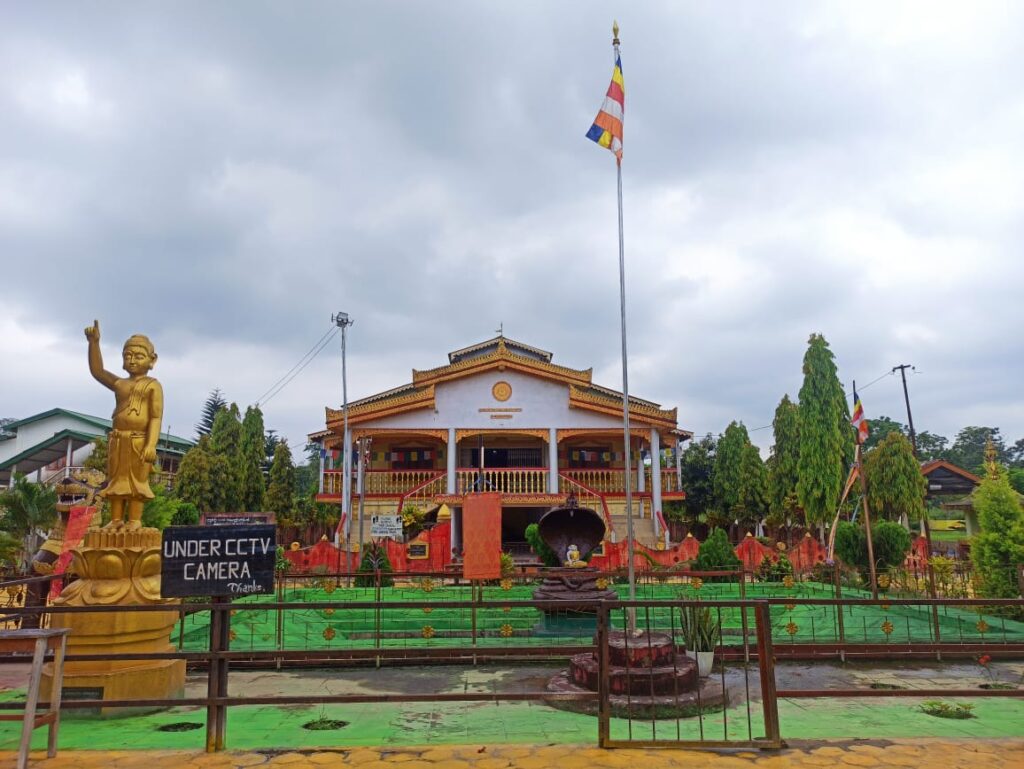
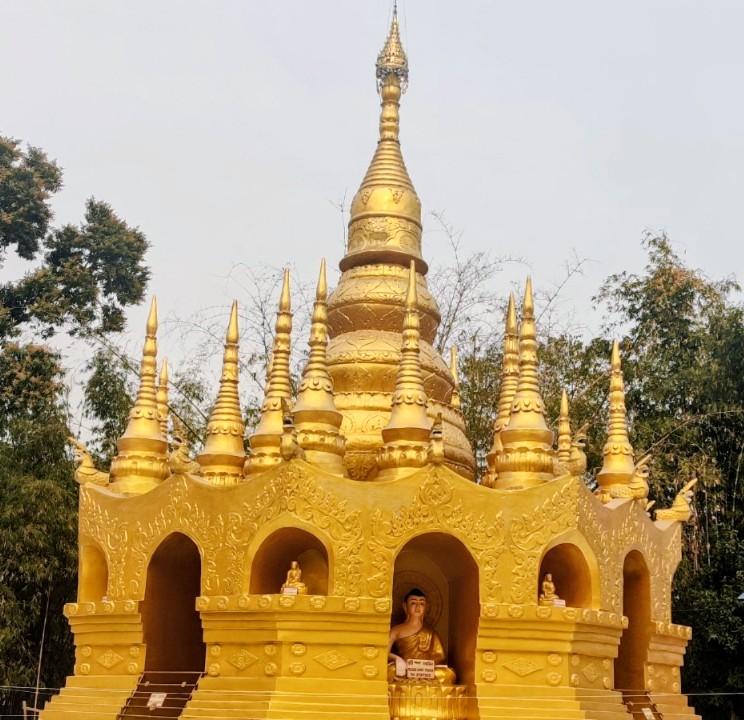
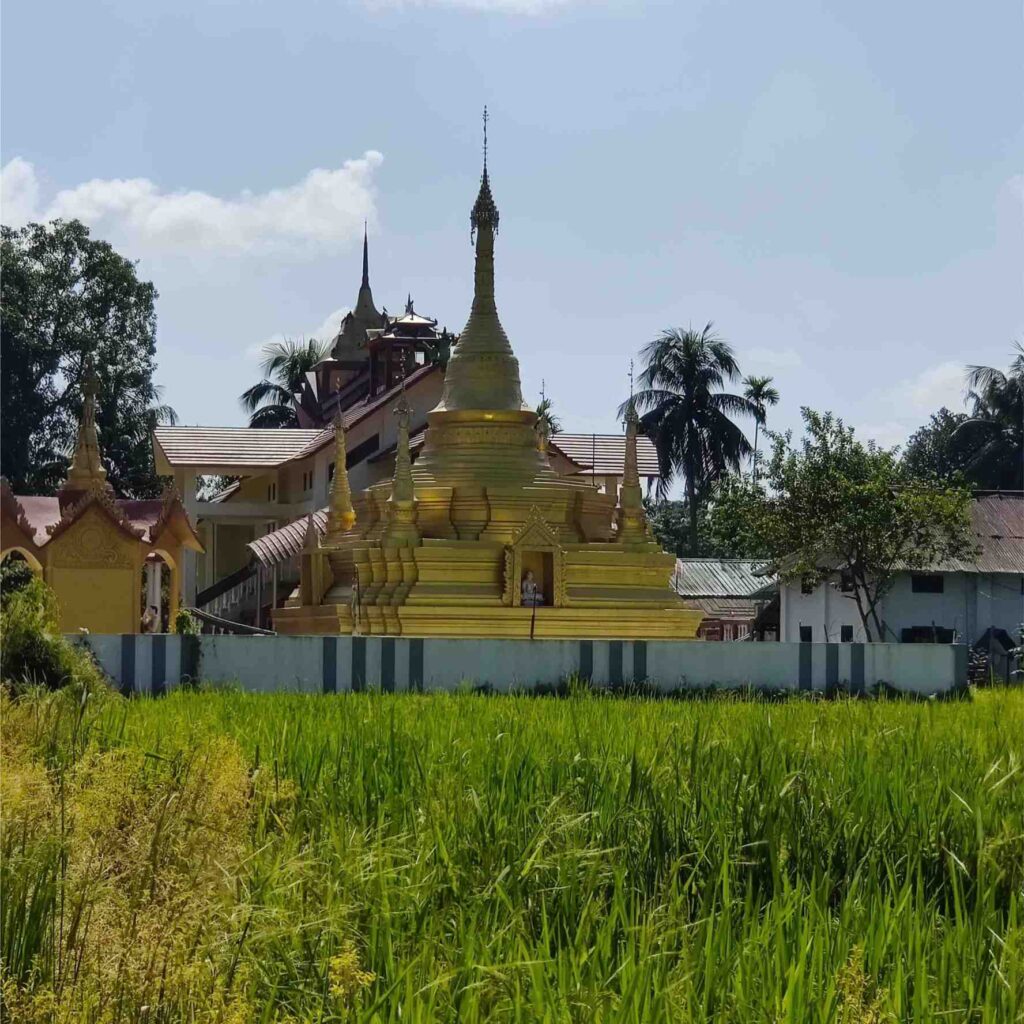
Travelling eastward beyond Kaziranga National Park and about 18 km from Numaligarh Tiniali through the tea gardens of Golaghat and bordering Karbi Anglong, Assam’s Buddhist landscape grows more intimate at the serene Ashoka Buddha Vihar (Kalioni), where living Theravada traditions reflect the historic migration of Tai communities from Southeast Asia into Northeast India. Near Sivasagar, the Tai Khamyang and Singpho communities particularly in and around Margherita continue to preserve centuries-old traditions. Further ahead near Naharkatia, Namphake Buddhist Monastery, one of Assam’s oldest Theravada monasteries, remains the spiritual heart of the Tai Phake community, where stilt houses, Tai cuisine, weaving and monastic rituals preserve a distinctive Assamese-Tai heritage. In Narayanpur of Lakhimpur district, the Tai Khamti village of ‘Bol-Pa-That’ derives its name from vast fertile paddy field and preserves the rare Lik-Tai script, closely linked to the community’s cultural identity and resembling Myanmar’s Northern Shan script.
Spread across Assam and especially concentrated in Upper Assam, Buddhist monasteries and cultural centres preserve the worship, education and linguistic traditions of communities with Southeast Asian roots. Scattered across diverse rural landscapes, these sacred sites together form an emerging Buddhist trail that unfolds through detours and backtracking, where the journey itself becomes part of the experience, offering travellers a rich blend of archaeology, spirituality, heritage and eco-cultural tourism beyond the conventional tourist route.