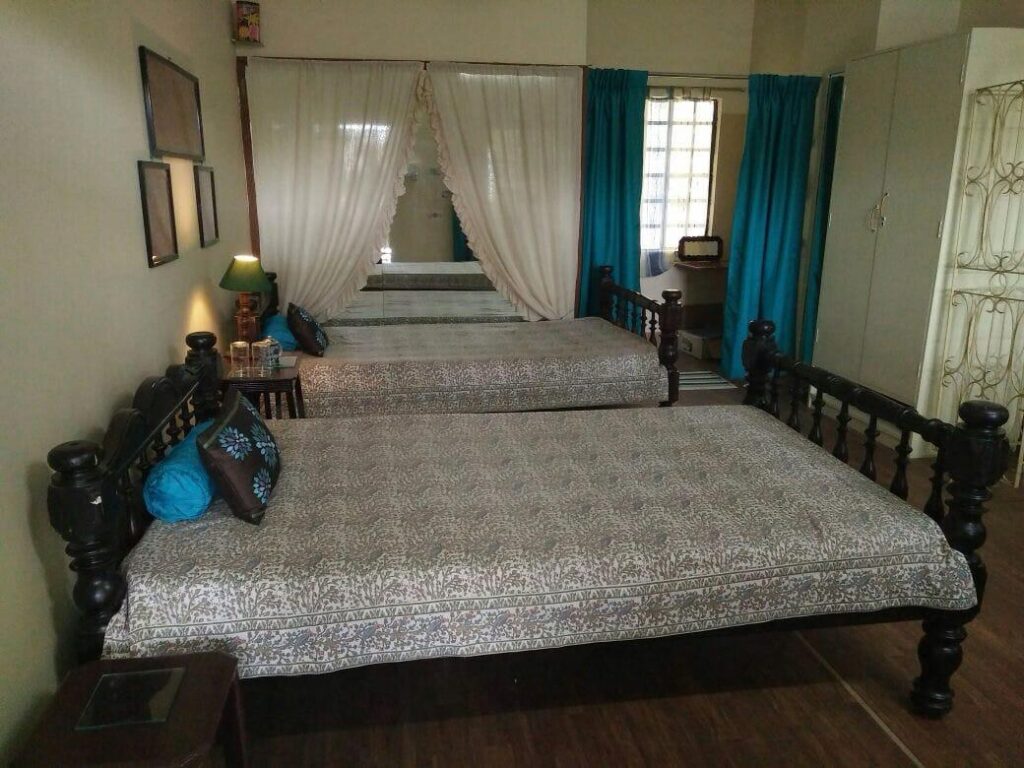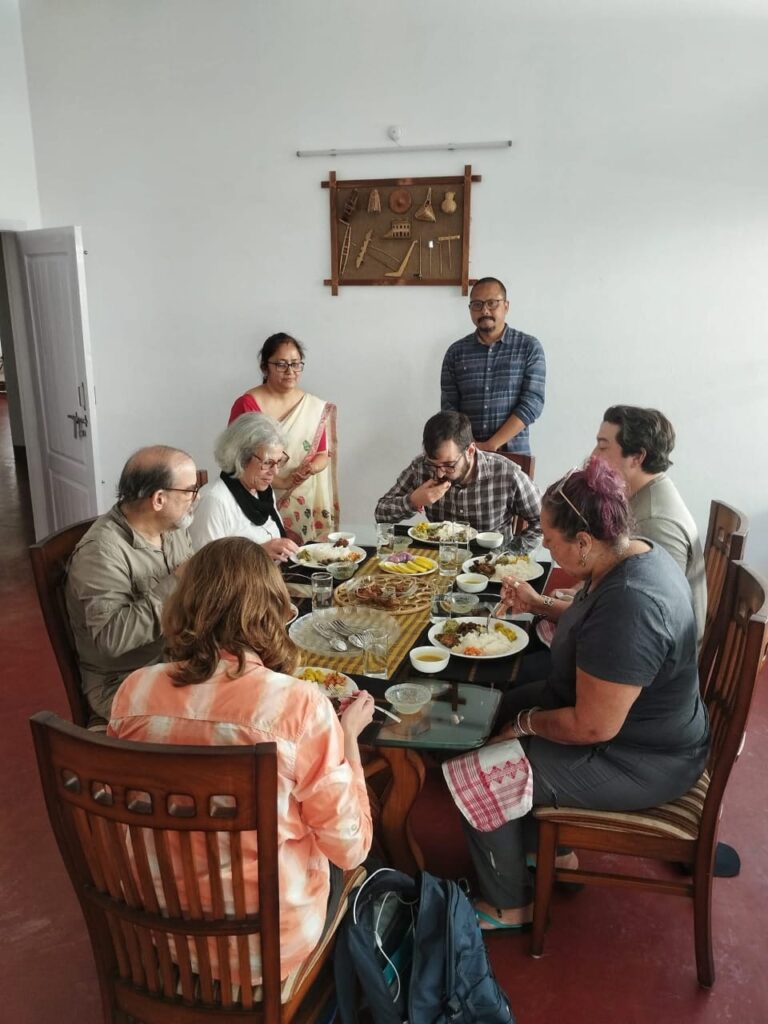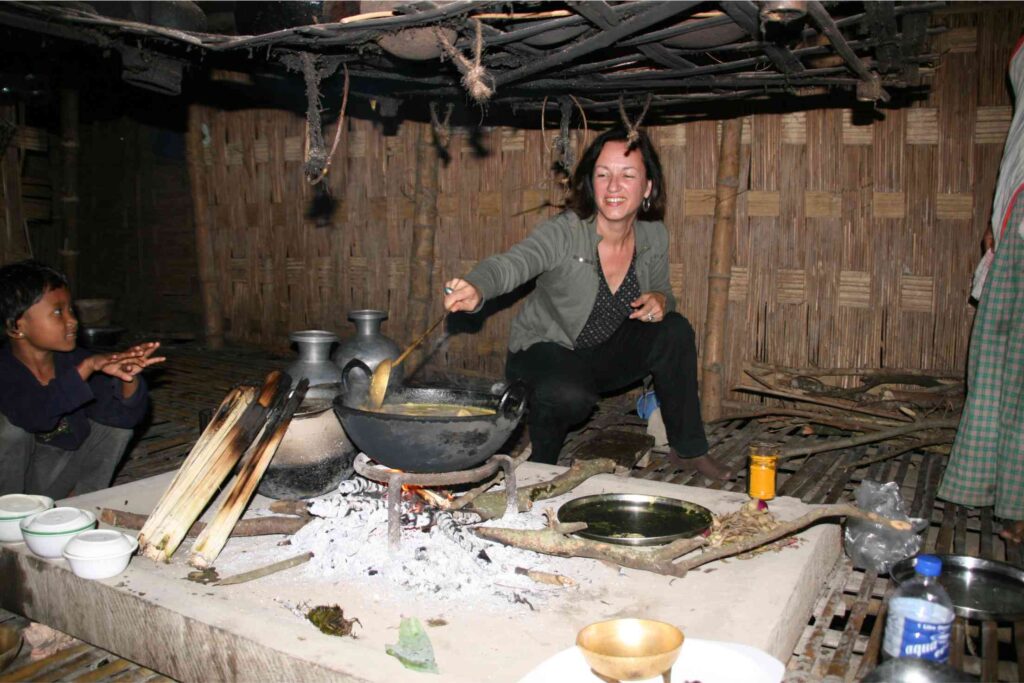
For more than a century, tourism in Assam has grown under the towering presence of Kaziranga National Park, home to the iconic one horned rhinoceros and diverse mammals and birds, along with other wild havens like Manas, Nameri and many more that enrich the region. Today, beyond these forests and floodplains, new experiences are unfolding-a human centred narrative shaped by people, their crafts, their kitchens, and the charm of lesser-visited places.
At the heart of this shift is the homestay, offering travellers a rare sense of belonging. In a world where holidays are often hurried checklists, homestays slow the rhythm. Mornings begin with birdsong through jali windows, Assam tea on a sunlit verandah, and breakfasts shared with hosts who feel like family. A trip to the local bazar and a cooking lesson in masor tenga or khar becomes a cherished memory that is carried home.
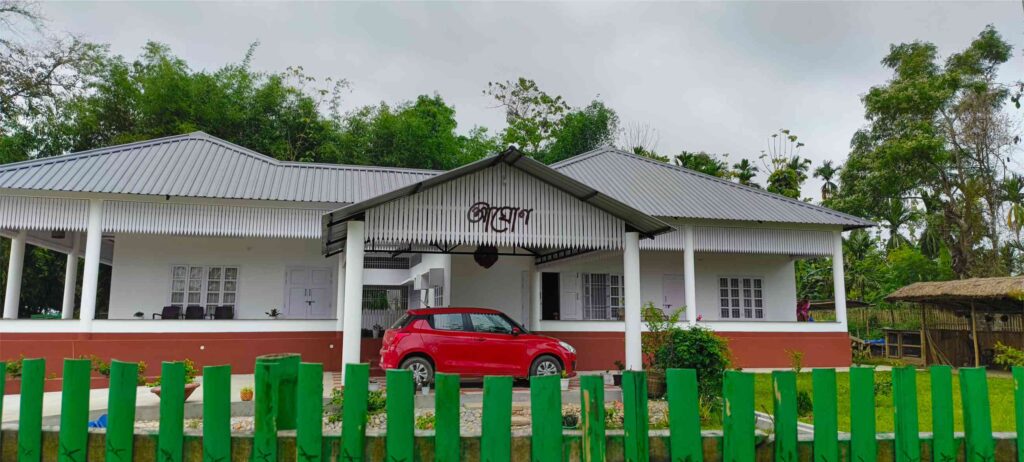
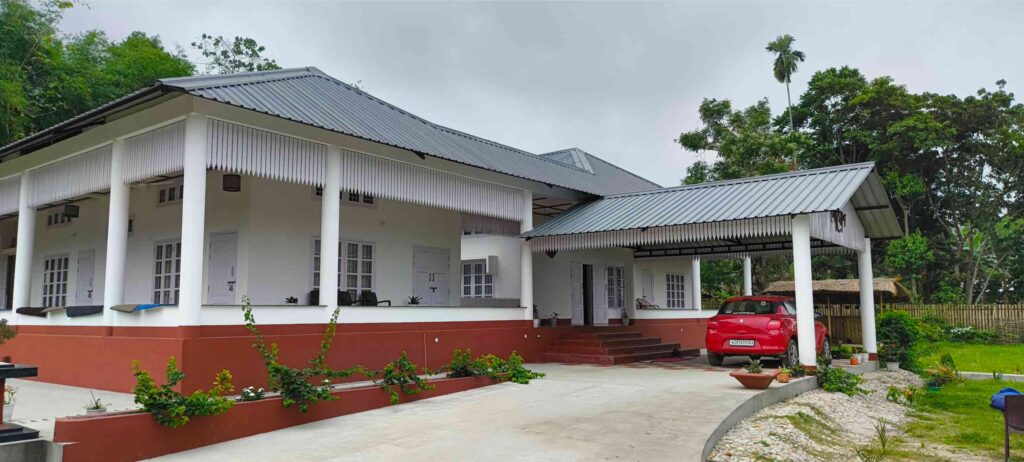
The roots of homestay tourism trace back to Bob Luitweiler’s Servas Movement in mid-20th- century, which promoted peace through cultural exchange. Today, what began modestly has become global, finding especially fertile ground in Assam. From the vibrant cultures of Karbi Anglong and Dima Hasao to the spiritual calm of Hajo and the mystical tales of Mayong, from the romantic charm of Tezpur to the Ahom legacy of Sivasagar and emerging destinations like Sarthebari, homestays across Assam are opening doors to the living heart of the state.
To stay in a homestay is to step into the collective memory of a place. Hosts become storytellers, guiding travellers to sunrise points where the hills blush pink, to ghats where a fisherman hums to the river, to ancient banyan trees that guard fading traditions, to potters whose hands shape clay like their ancestors. Such experiences seldom find space in guidebooks; they live in kitchen conversations, along evening garden paths or in the hush of dawn prayers. Every rupee spent strengthens households, sustains local crafts and uplifts entire communities.

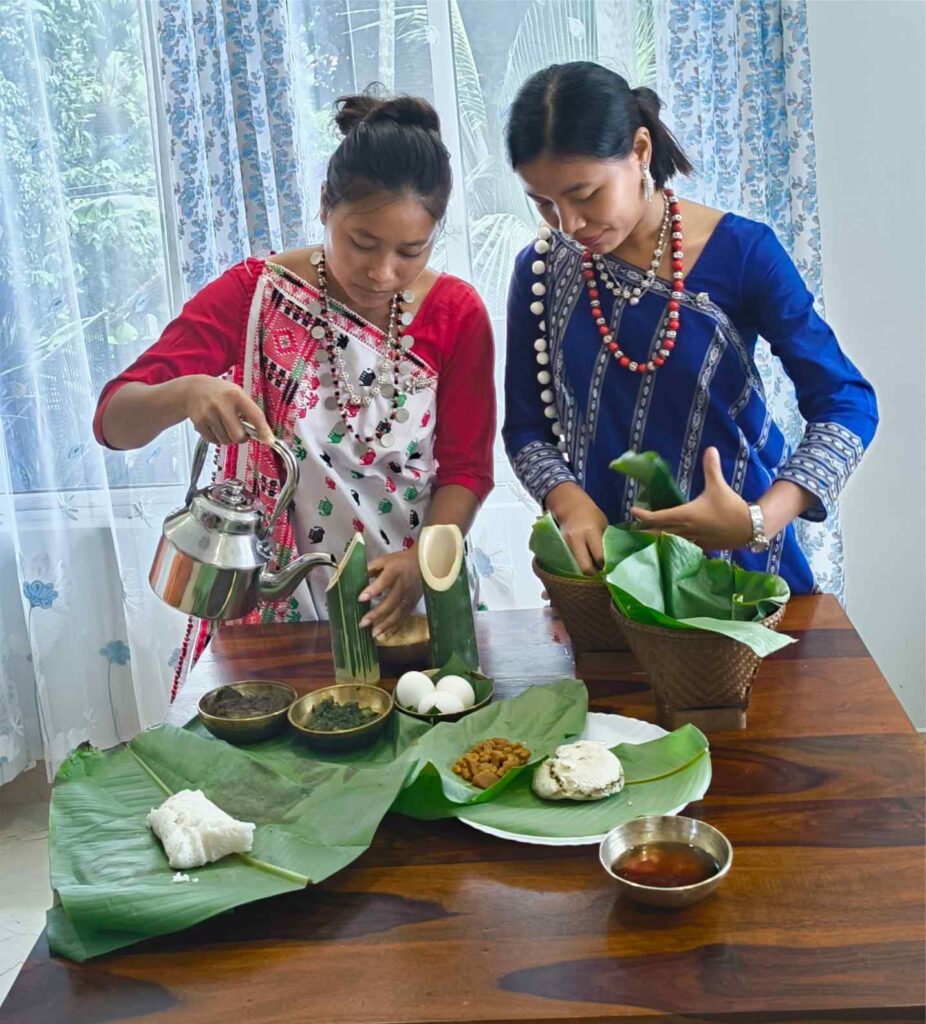
Picture the quiet town of Patsaku, home to the Central Tai Academy and just 25 kilometres from the Royal Ahom Moidams of Charaideo, where a homestay becomes meaningful for both travellers and researchers. With the right support, a simple spare room can become a warm, income-generating homestay. Yet it is more than accommodation-it is a relationship built on dignity and cultural exchange. Guests and hosts learn that even when language fails, smiles, gestures and shared routines form a universal bridge that gently dissolves most challenges.
With India’s homestay sector growing and tourism projected to contribute ten percent to the economy by 2030, community-led hospitality is set to surge. By following guidelines, hosts can offer safe, authentic stays in one to six rooms within their homes. A growing network of online and offline training programmes are equipping new hosts, while strong hygiene standards and proper registrations are boosting trust and ensuring steady bookings through booking platforms and homestay-focused tour operators. In Assam, tourism bodies are nurturing a responsible homestay ecosystem-empowering women, engaging youth and safeguarding cultural identity.
As tourism bodies cultivate this responsible ecosystem, and as travellers increasingly seek authentic experiences, Assam stands ready to embrace what comes next: a time when visitors will return not just for its landscapes, but for the warmth of its people and the stories held in its homes.