
A tour hosted by the India Tourism, Ministry of Tourism, Regional Office, North-East, brought together more than forty tour operators from across India to familiarise them with Dibrugarh, Tinsukia, Charaideo and Sivasagar districts of Assam. Their journey reflects the region’s steadily improving air and road connectivity, opening this eastern frontier to the rest of the country. For those flying from Guwahati to Dibrugarh, the eastward route offers breath-taking views, snow-clad peaks of Eastern Himalayas, including Gorichen Peak on clear days, and on descent the Brahmaputra River and the Bogibeel bridge stretching below.

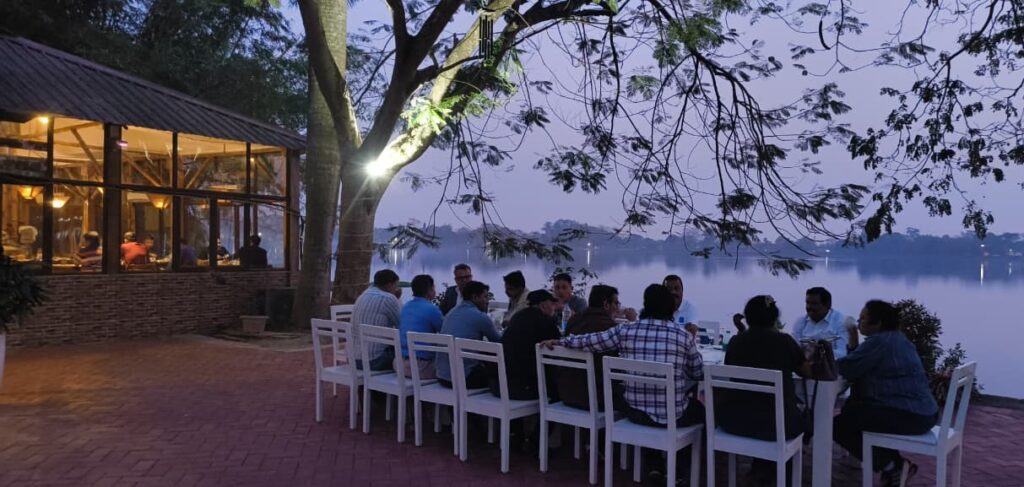
Tourism familiarisation trips are purposeful site inspections, not leisure breaks. They enable professionals to evaluate connectivity, hospitality, assets, experiential potential, and guiding standards within a tightly structured schedule. In just a few days, Eastern Assam revealed striking diversity and depth for stakeholders, offering both practical insights and a credible roadmap for sustained tourism development.
In Dibrugarh, tea tourism felt timeless. At the historic Ethelwold Tea Estate, a part of the estate once an orchard and now a certified organic plantation, sustainable practices blend with the quiet elegance of its colonial era bungalows. Even in winter and early spring, often seen as the off season, experiences from garden walks to the refined art of tea tasting unfold effortlessly, affirming its appeal as a year round destination.
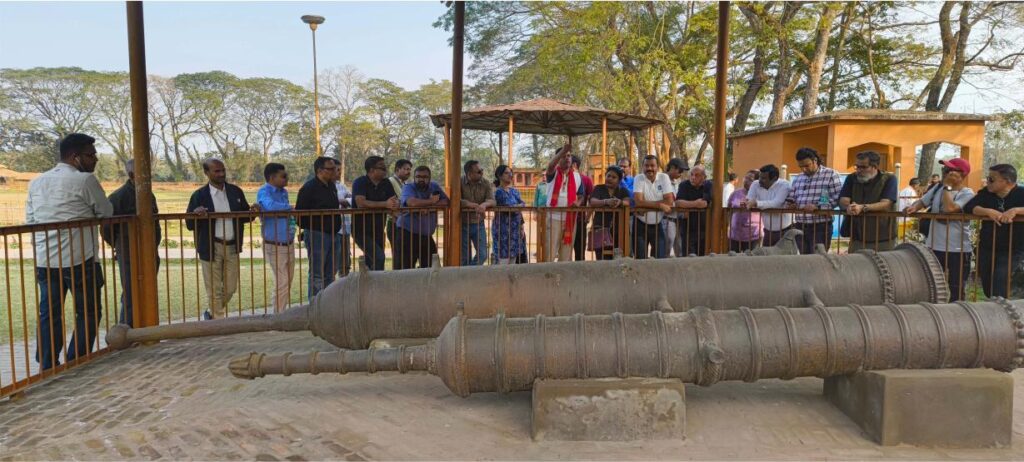
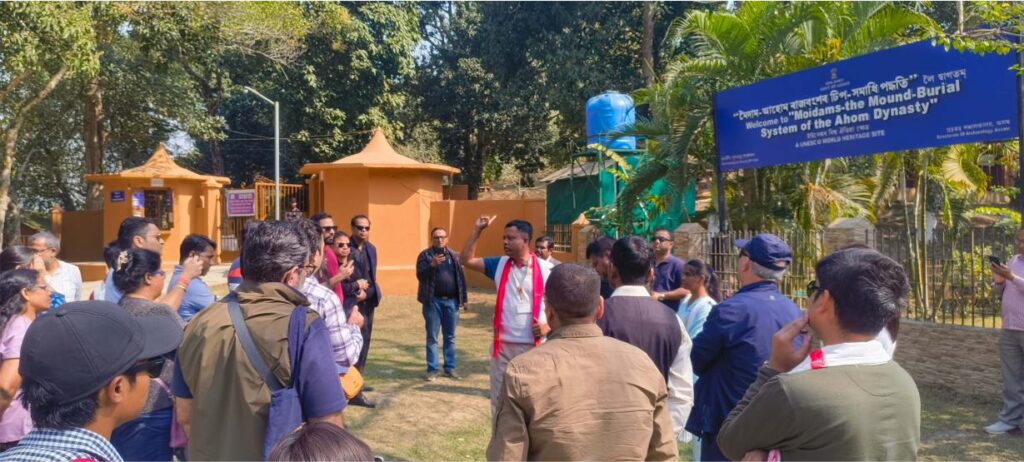
The next day’s journey shifted from plantations to history. The drive to Charaideo and Sivasagar became a travelling classroom, led by an experienced local guide who narrated the rise of the Ahom dynasty, its systems of governance, architectural ingenuity, and enduring cultural legacy. The sacred Moidams of Charaideo, along with the grand water tanks, temples, and palace ruins of Sivasagar, reflected a heritage that spans six centuries.
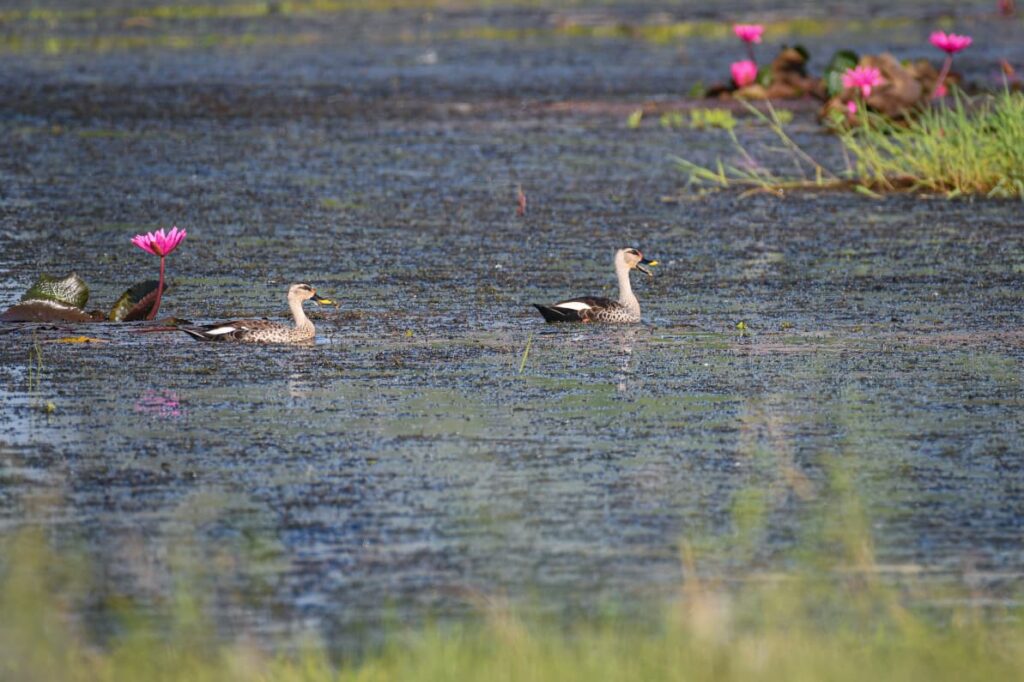
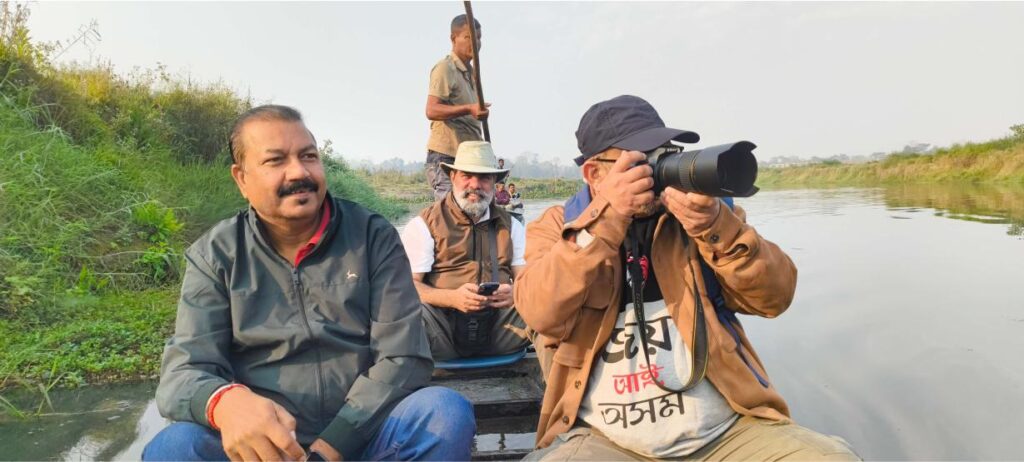
The following morning, nature quietly took centre stage at Maguri Beel, about 15 km from Tinsukia. Skilled boatmen navigated traditional wooden country boats across the shallow waters, propelling them with long ‘boitha’ poles for a serene birdwatching safari. Accompanied by an expert birding guide, multiple migratory and resident species were identified by sight and sound. Being winter, vibrant water lilies and dense aquatic flora had transformed the wetland into a living painting.
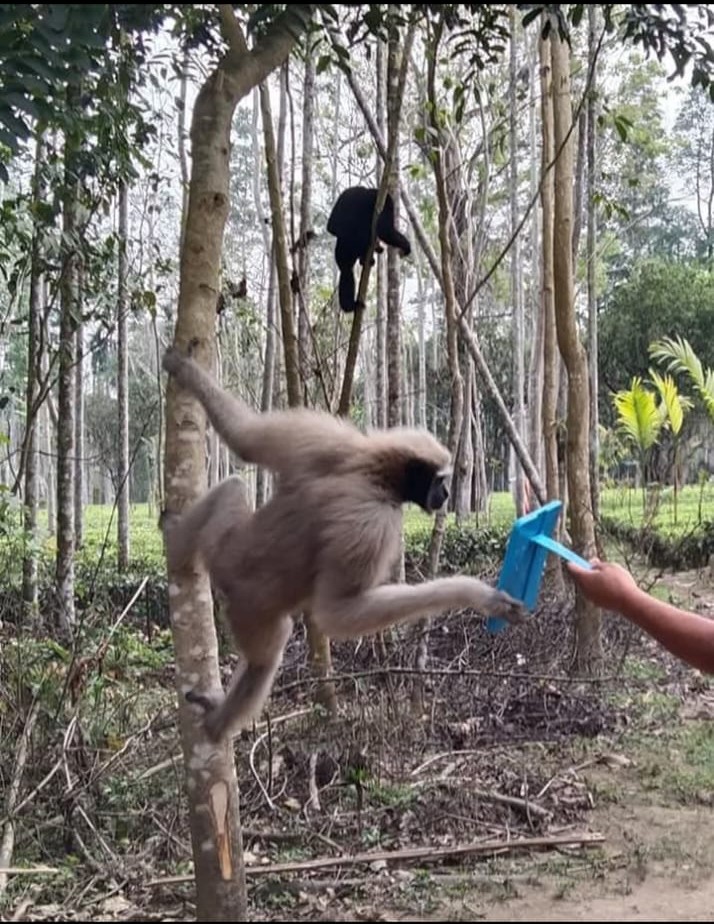
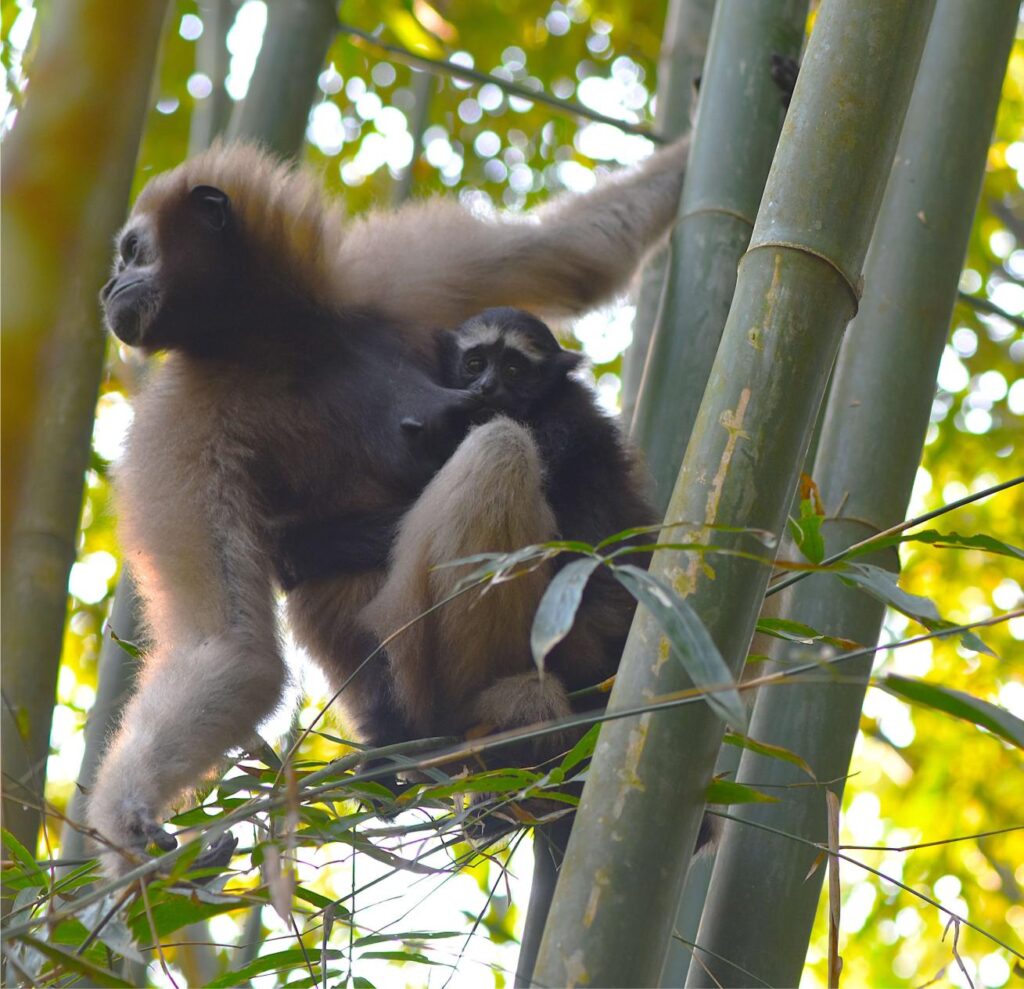
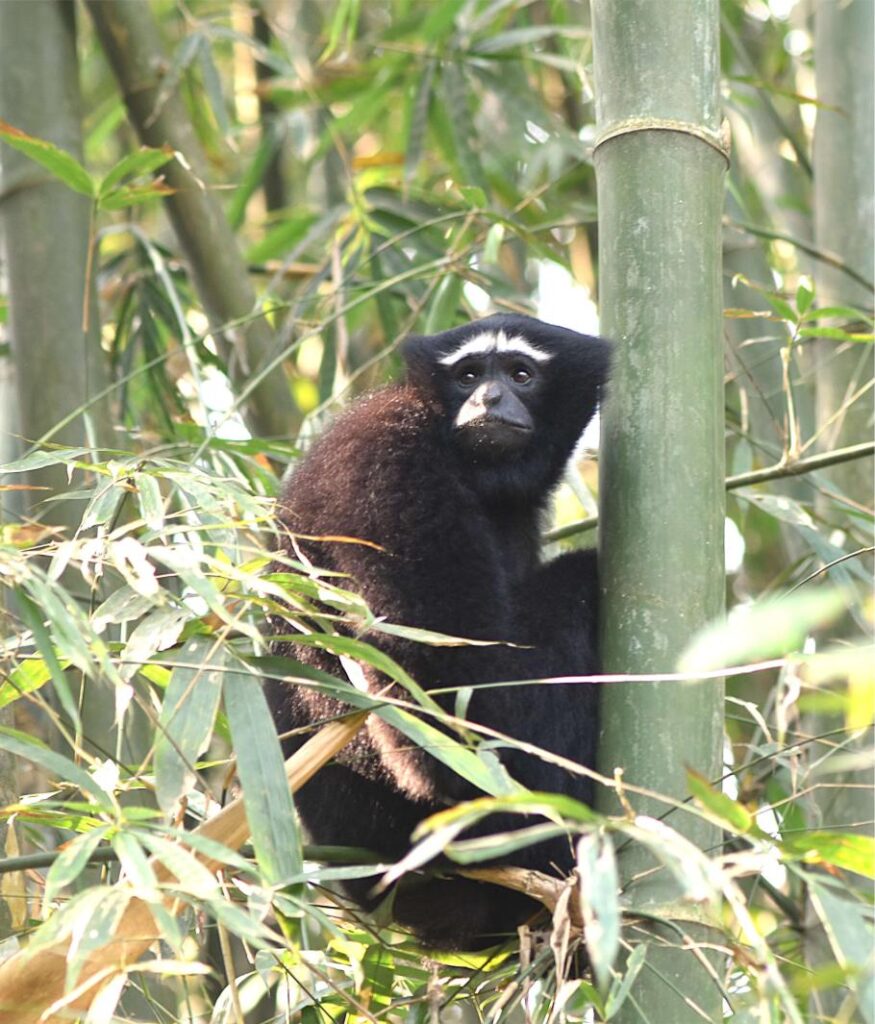
About 10 km away, Barekuri village was particularly noteworthy. The calls of the Western Hoolock Gibbon (endangered on the IUCN Red List), echoed through the canopy as villagers spoke with pride about coexisting with India’s only ape. By preserving canopy corridors and regulating visitor movement, the community has developed a conservation model rooted in mutual respect. With gentle amusement, they shared how gibbons often pause to gaze at mirrors placed in backyards; at times, residents even hold up small mirrors near the trees when the apes approach, tilting their heads in curious reflection. These simple interactions have become a symbolic bridge between species.
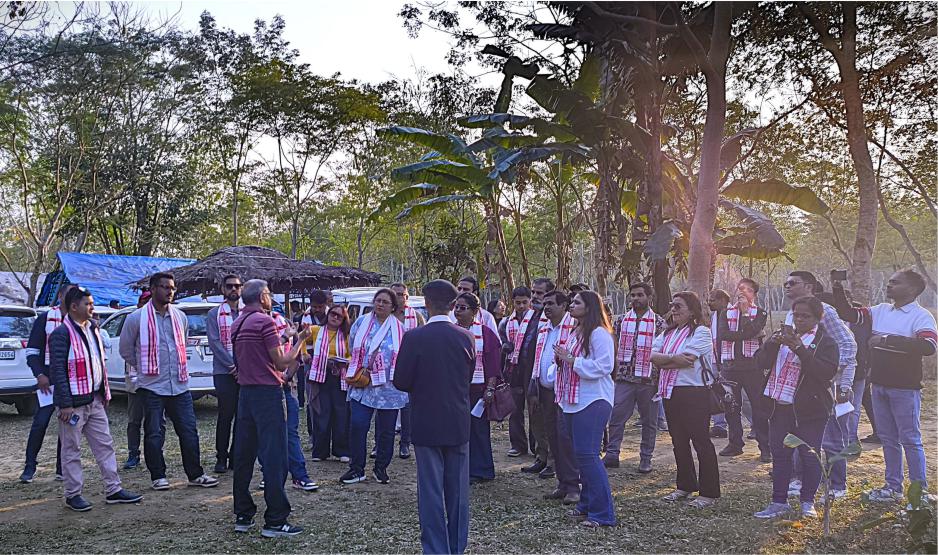
When participants return from such familiarisation tours, they carry more than photographs and notes. From Assam, they take back stories of tea gardens, dynasties, wetlands and village life, stories that evolve into meaningful, well mapped itineraries and thoughtfully curated narratives for new and emerging traveller segments. Such journeys transform insight into inspiration, making familiarisation trips powerful tourism marketing tools that enhance visibility and steadily strengthen a destination’s appeal.